Close Encounters, 2019
Back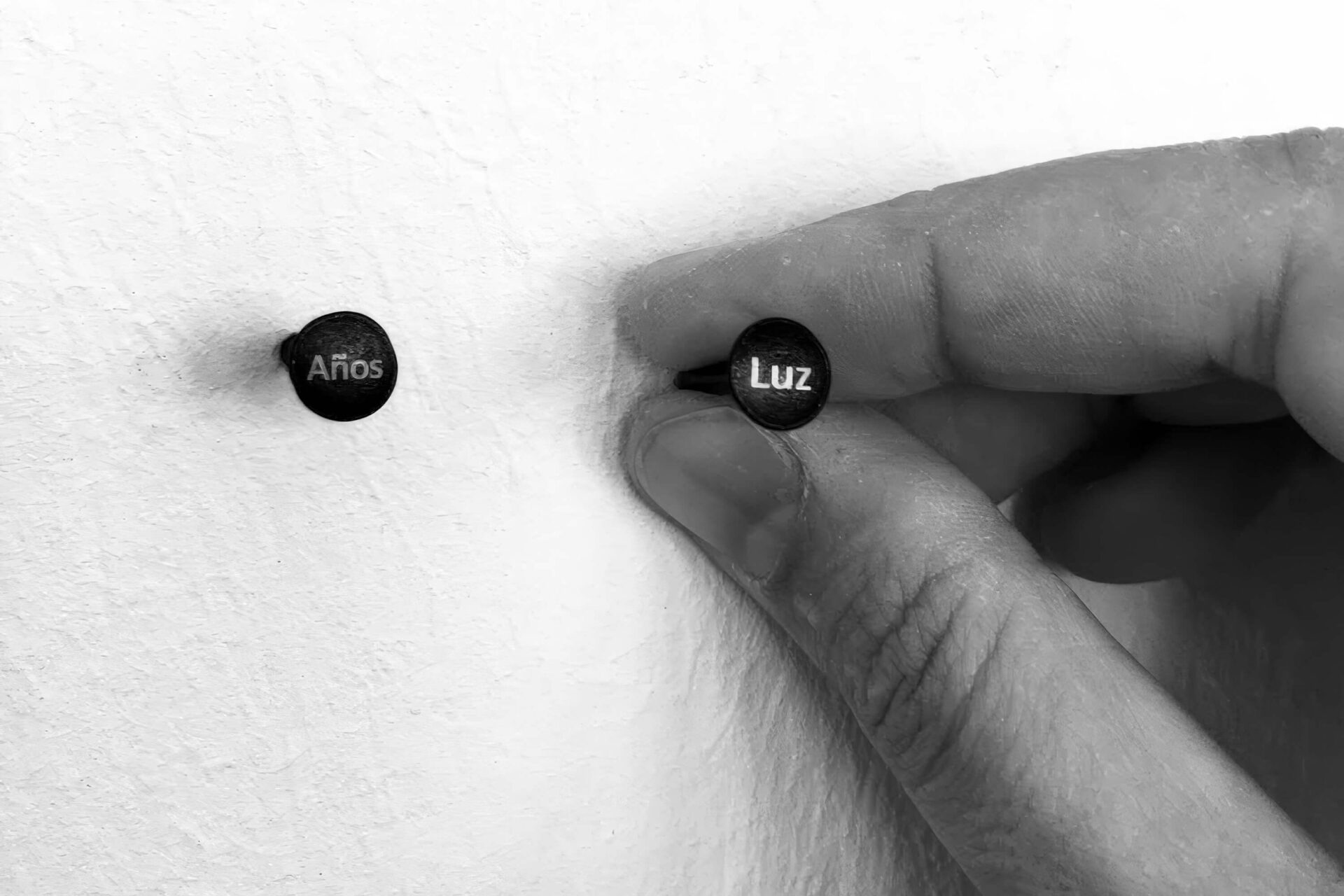
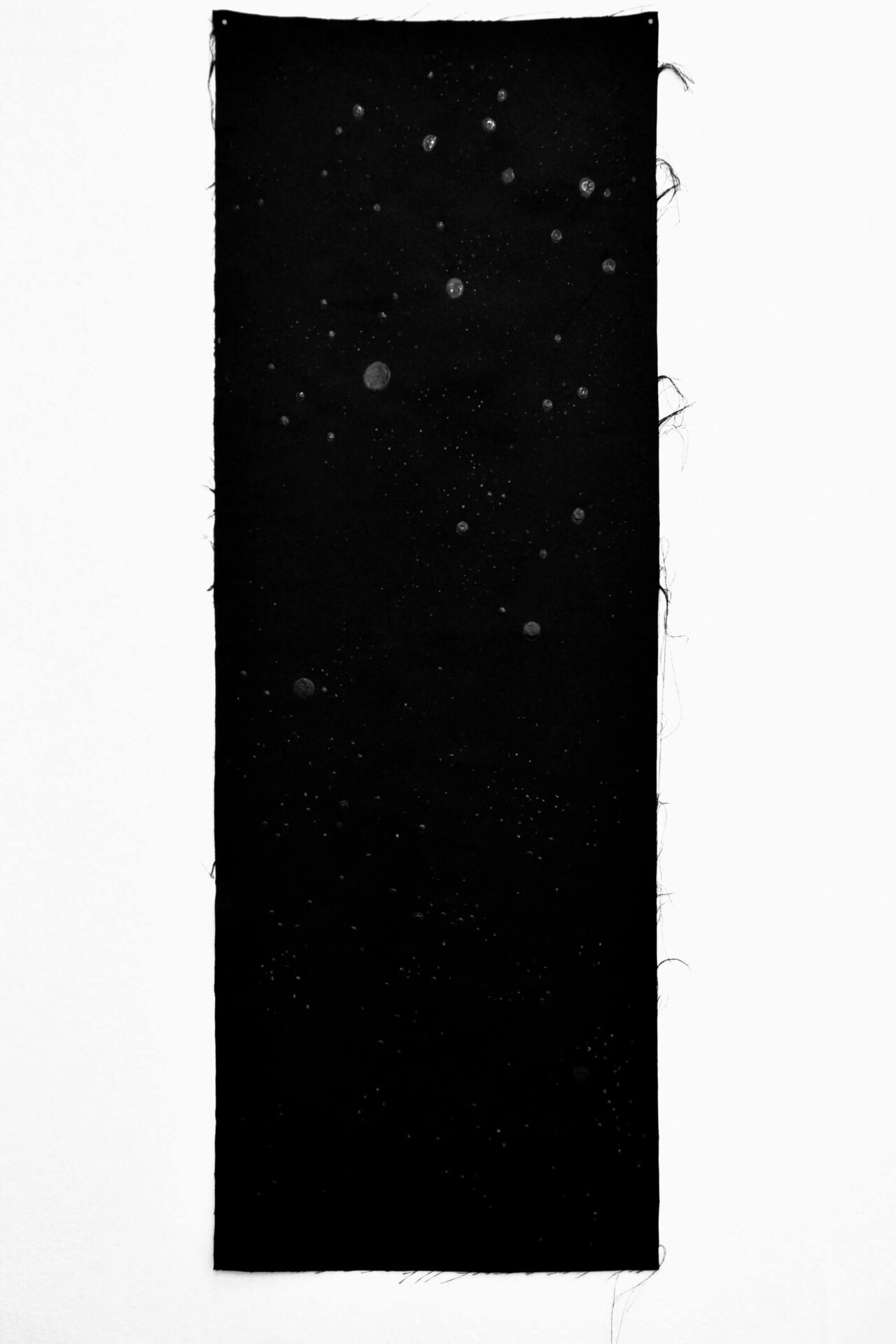
Years Light
I wonder how humans started drawing the positions of the stars.
You can only see them properly if there’s no light around to contaminate them.
But then you can’t really see what you’re drawing.
I’ve tried.
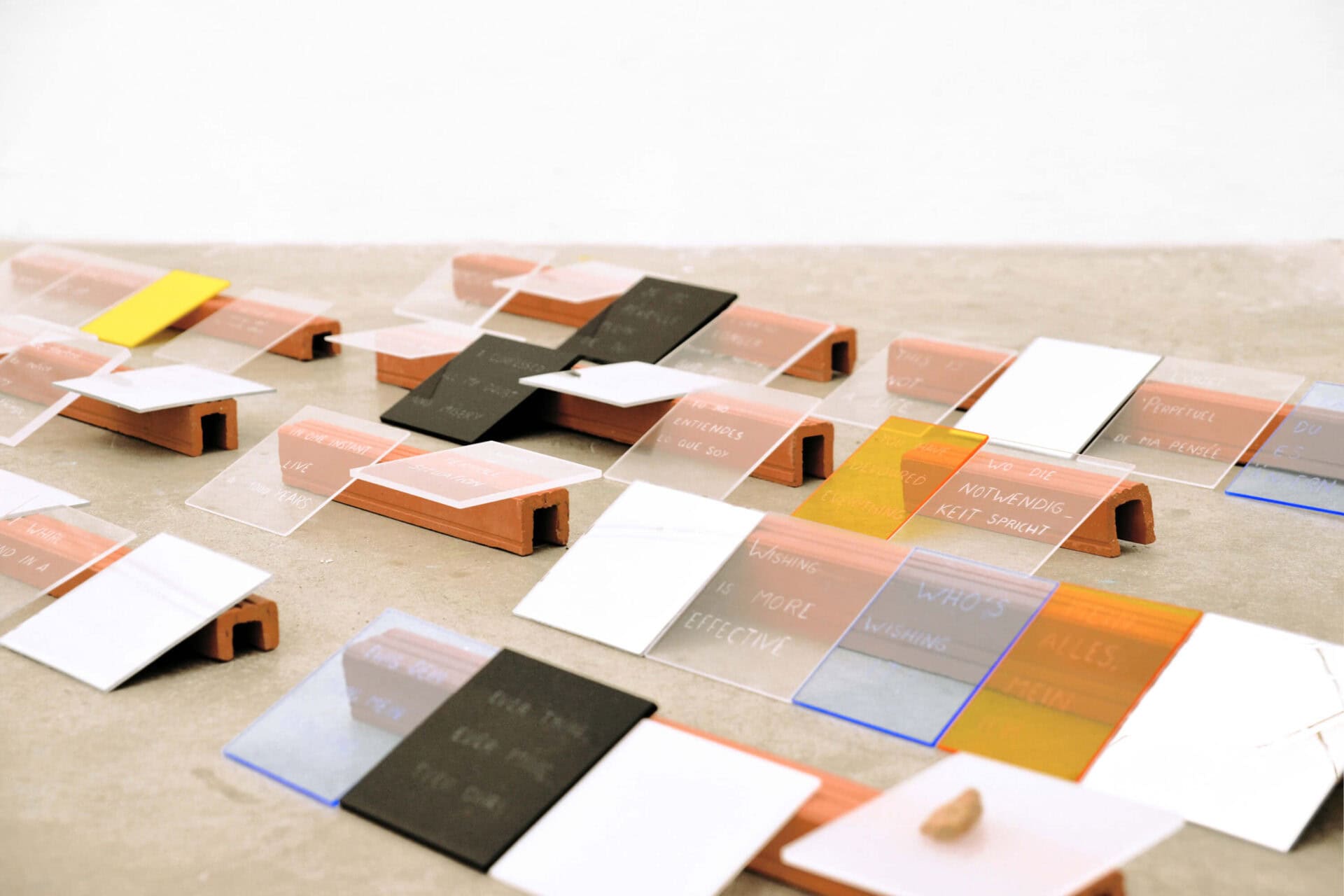
Forever Together – A Story of Love and Hate
Cemeteries truly breathe peace. I think that’s the idea, a place to rest in eternal peace. Sometimes I walk through the Bergmannstrasse cemetery because of the calm it inspires. I read the names engraved on the tombstones. Some have only one name, others have more.
Usually, the tombstones with more than one name are from people who loved each other and are buried together. Or people who were married, since they usually have the same last name. People united in “holy matrimony until death do us part,” although from what I have seen, when the surviving person dies, they will be reunited in the cemetery.
The tombstones are usually made of stone, so that they will also last forever. On some you can read a love letter written for the deceased on their tombstones. I’ve never written a love letter to anyone. I wouldn’t really know how. It’s sad.
I’ve looked for examples of famous love letters to see what people say to each other.
I read what Yoko Ono wrote to John Lennon, Honoré de Balzac to Ewelina Hanska, Johnny Cash to June Carter, Simone de Beauvoir to Claude Lanzmann, Frida Kahlo to Diego Rivera, Abelard to Héloïse…
In all of them, there’s a love/hate dichotomy that shocks me. As if they both wanted and didn’t want to be together. Perhaps they wanted to be together forever, but less so in certain moments.
Or perhaps they wanted to be together in some moments, but not forever.
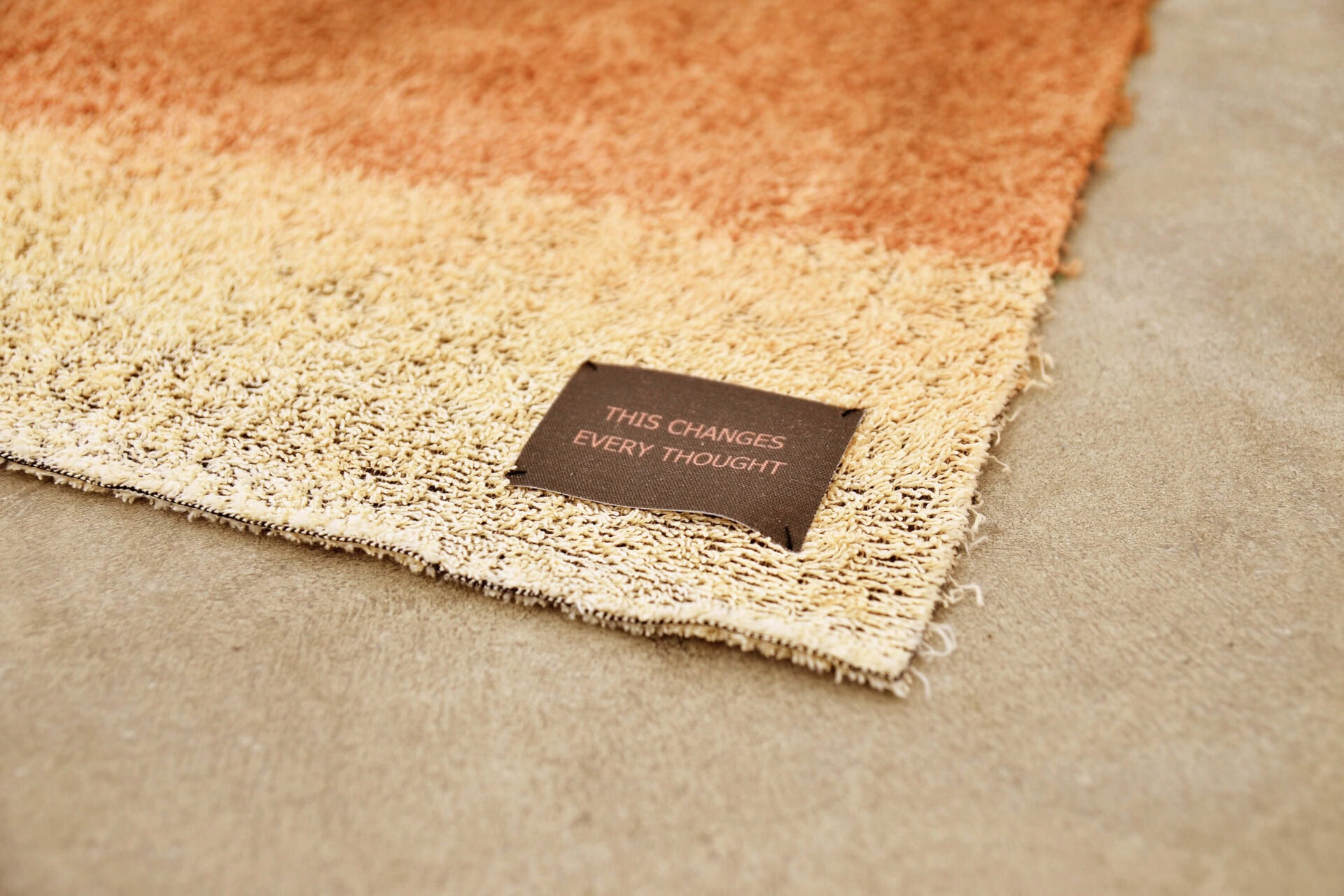
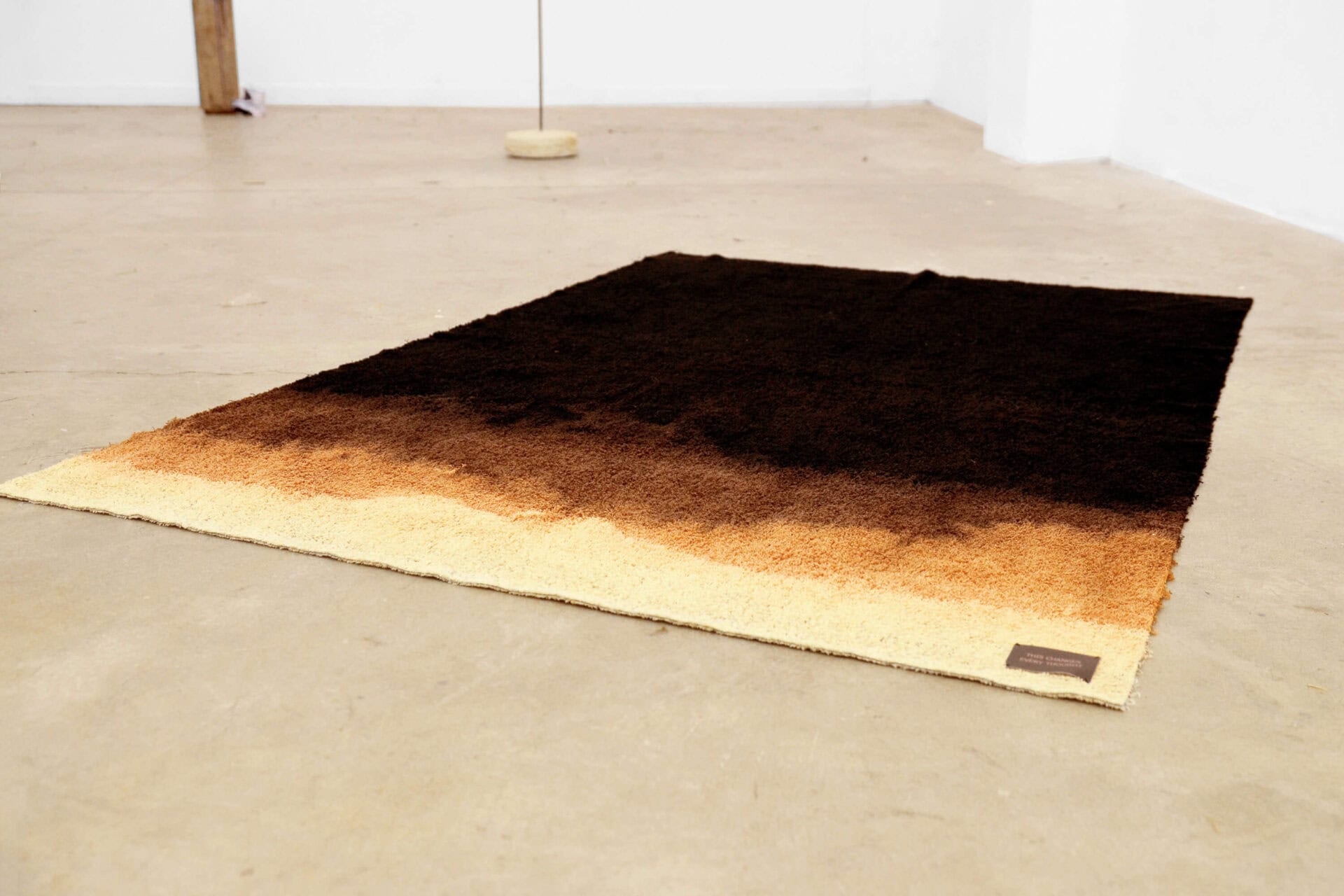
This Changes Every Thought
Every summer something fades. Sometimes I see an ice cream sign that’s turned blue from the sun.
My skin darkens in the summer, but my bikinis pale. As do beach and pool towels.
Summer eats away the intensity of colors. It’s worse than detergent.
Black is usually the most affected.
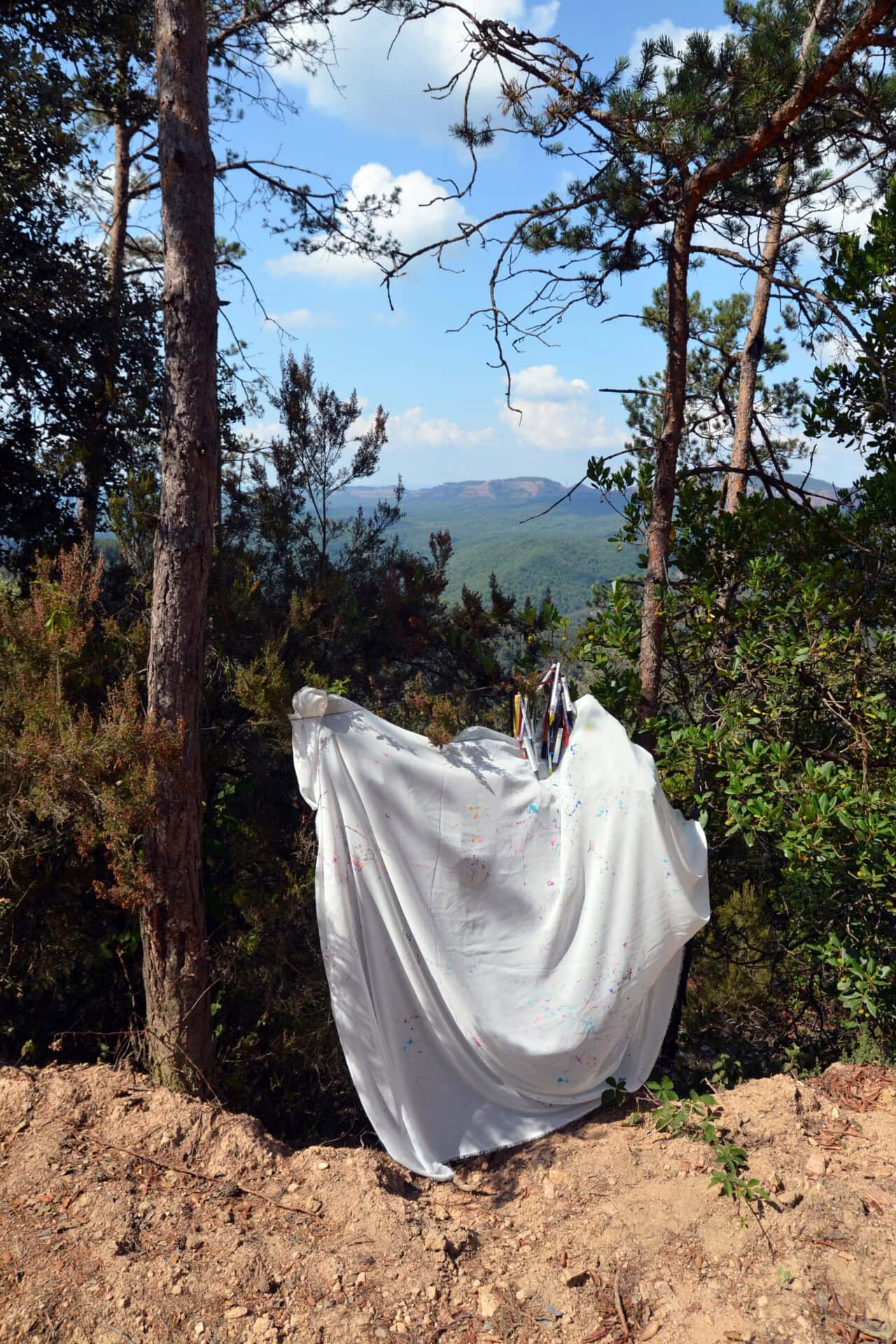
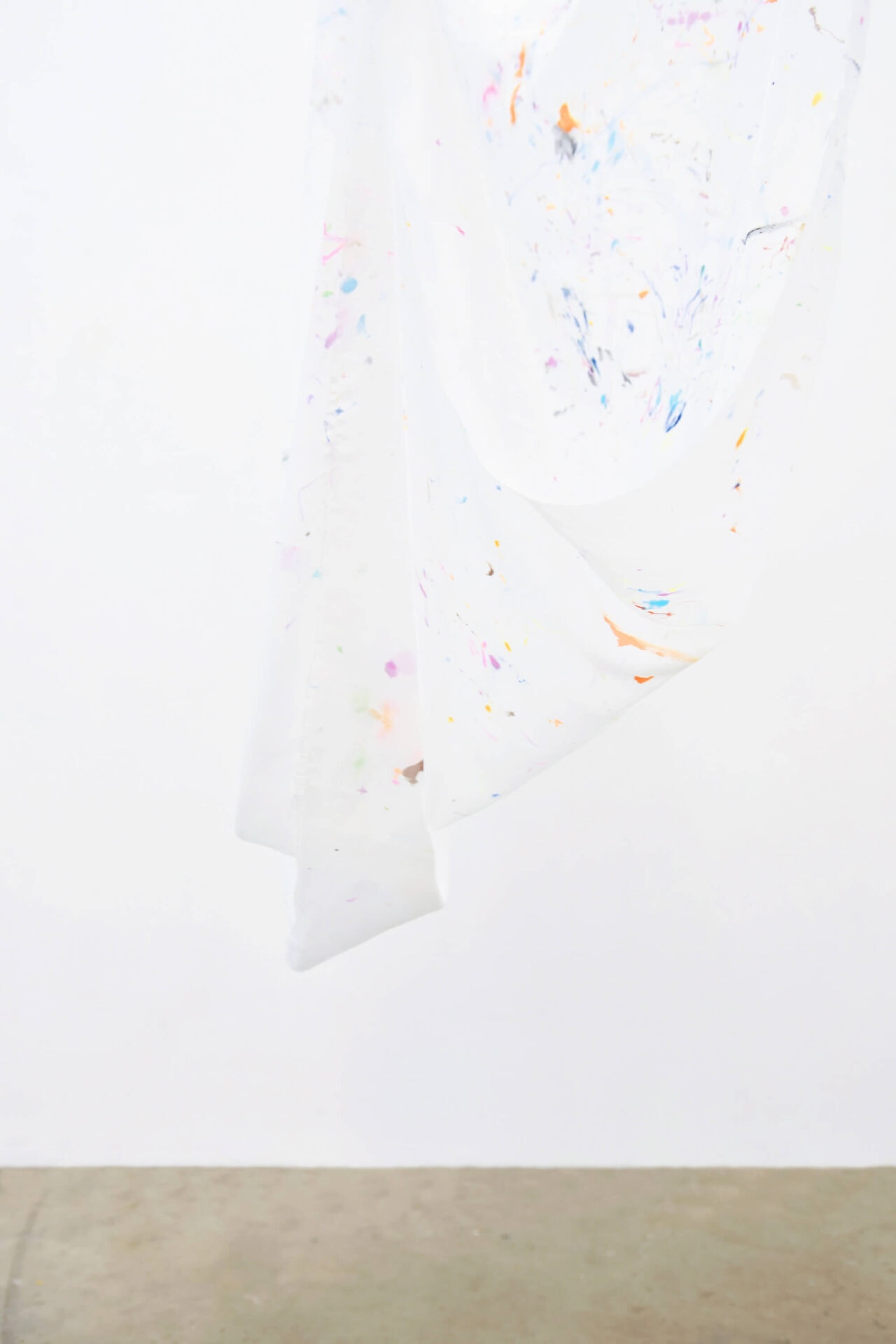
Reenactment of the Very First Dance
I think about what the first dance on Earth must have been like. The waves of the ocean, the clouds, an earthquake, the leaves of the trees dancing in the wind?
The waves of the ocean would dance a Czech polka.
The clouds could dance a waltz, but in ballet style: a “Pas de Valse.”
An earthquake would dance to techno music.
Thousands of tiny leaves, moving and tinkling, would dance a trance.
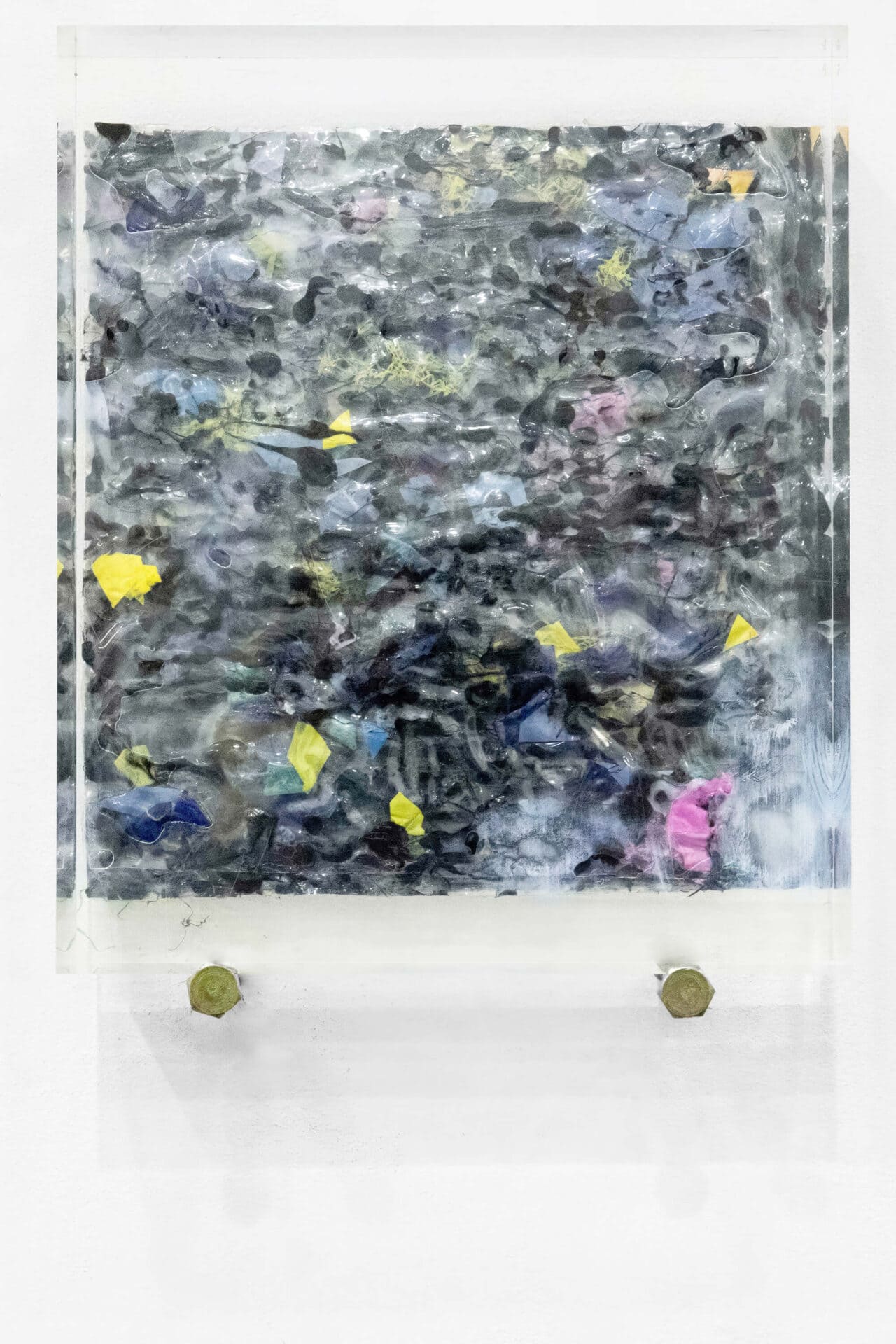
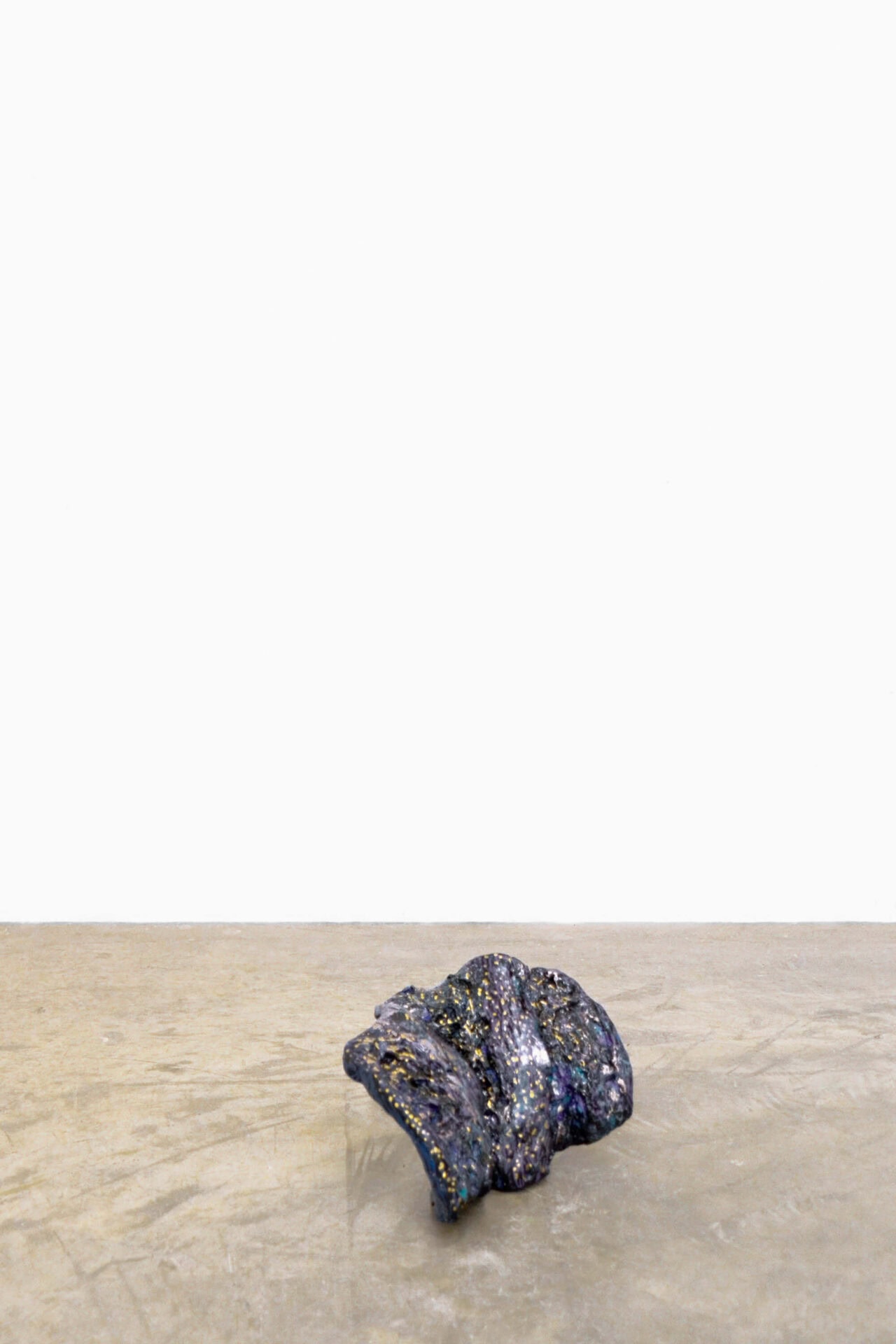
We´ve Never Been Introduced
I’ve had plants at home since 2008. Some have been with me since that year.
That’s longer than many animals would live.
I know them very well. They’ve been there through my worst and best moments.
I think I should give them names.
Close Encounters is an artistic project developed during the Nectar artist residency in Les Guilleries Natural Park in Catalonia, in collaboration with On Mediation and AGI. Group exhibition “Suggerir és insinuar amb prudència” (Suggesting is insinuating with prudence), curated by Pli-é collective at Spai2 Galería ángeles, Barcelona.
Art Nou festival, Barcelona.
The six installations that comprise Close Encounters respond to the desire to approach nature through a problematization of the power relations established between subject and object. Each of the six pieces is presented as part of an action, in which natural elements such as the sun, wind, rainwater, and dew participate in the production and decision-making processes. Thus, they move away from the use of natural elements as objects or raw materials—instead allowing them to acquire a subject quality capable of influencing the development of different actions.
Forever together. A story of love and hate shows us an installation of methacrylate with phrases inscribed with a stone and decontextualized from famous love / hate letters in human history.
As a tombstone, this installation tells us about time and the concept of eternity, about the necessary time for a stone to become sand and the 150-1000 years that it takes for a plastic such as methacrylate to degrade. A destiny that seems to keep both together for eternity.
In This changes every thought, we are shown a black towel discoloured through chemicals used in swimming pools and the sun on salt water. Both the sun and chemicals become visible through physical changes in the object.
For the installation Reenactment of the very first dance, the wind and two trees have been invited to participate in restaging the first dance in history. On a semi-transparent fabric we are shown the colours, lines and shapes that are the result of the movement of both the material and the support due to the wind. Inviting a natural element into the production means giving up control to another force, whether we like the result or not.
We’ve never been introduced is a series of short actions, brief formal presentations of the artist to her surroundings. Thus, small-scale sculptures are the visible mark of the moment of shaking hands with the ground, with a tree, with waste materials.
Años luz, /years-light/ Black paint on black cloth, made outdoors in the darkness of night .
In Rain and morning dew, rain and dew have been invited to participate as elements of art. Two almost identical drawings that have been modified differently by rainwater and dew. A review of the exhibition Earth air fire water elements of art, Museum of Fine Arts Boston 1971, in which natural elements were still used as material within the art work.
These encounters activate new ways of being in and inhabiting the world through the active participation of natural elements and the interference they exert on the materials that make up the pieces. These are intrinsically linked to Western pop culture and consumer society: building bricks, plastic elements, nail polish, glitter, and synthetic fabrics.
Text from the Exhibition “Suggerir és insinuar amb prudència” at the gallery ángels barcelona.
Pli-é Collective
