The End of a Civilization, 2017
Back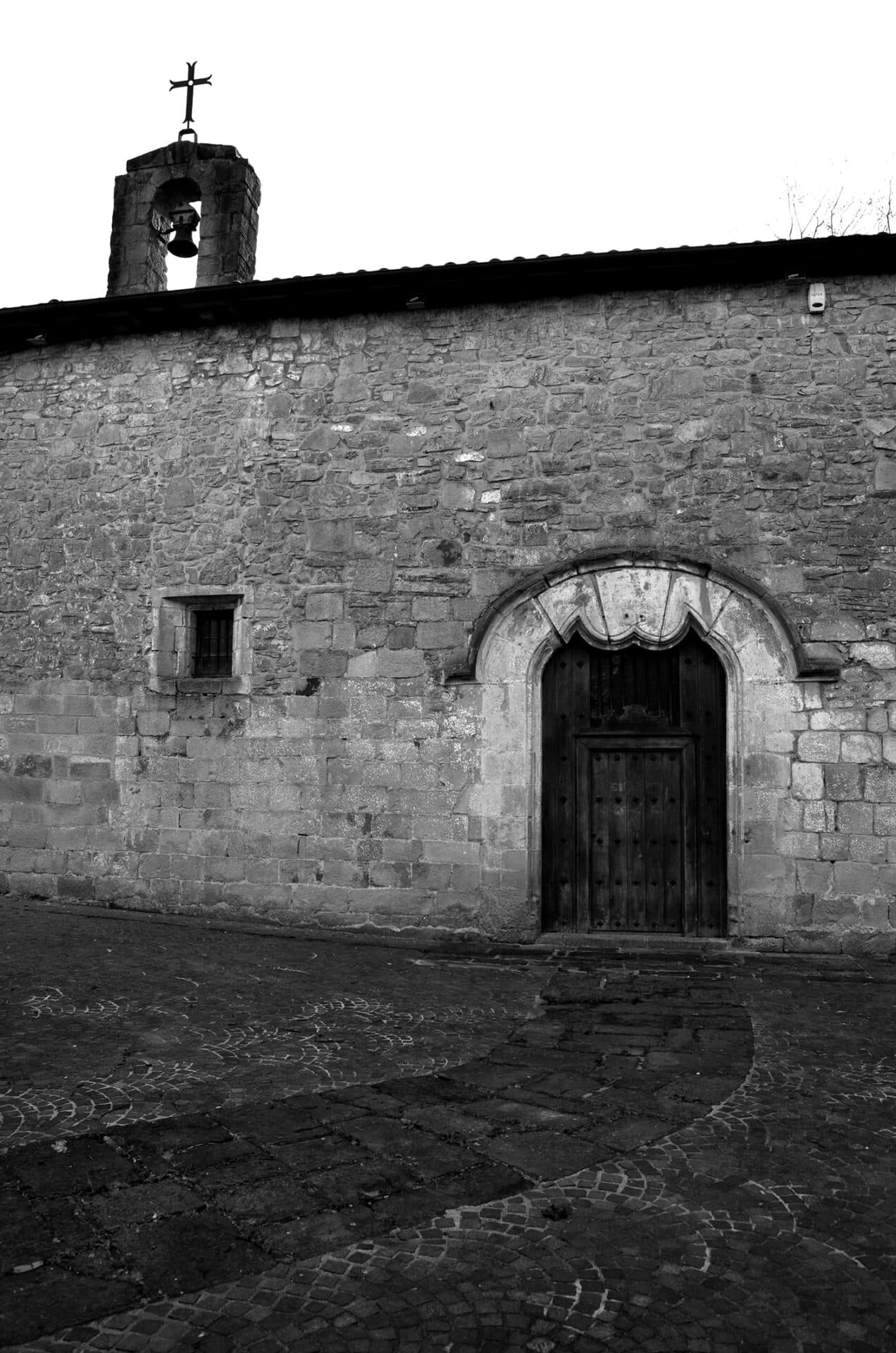
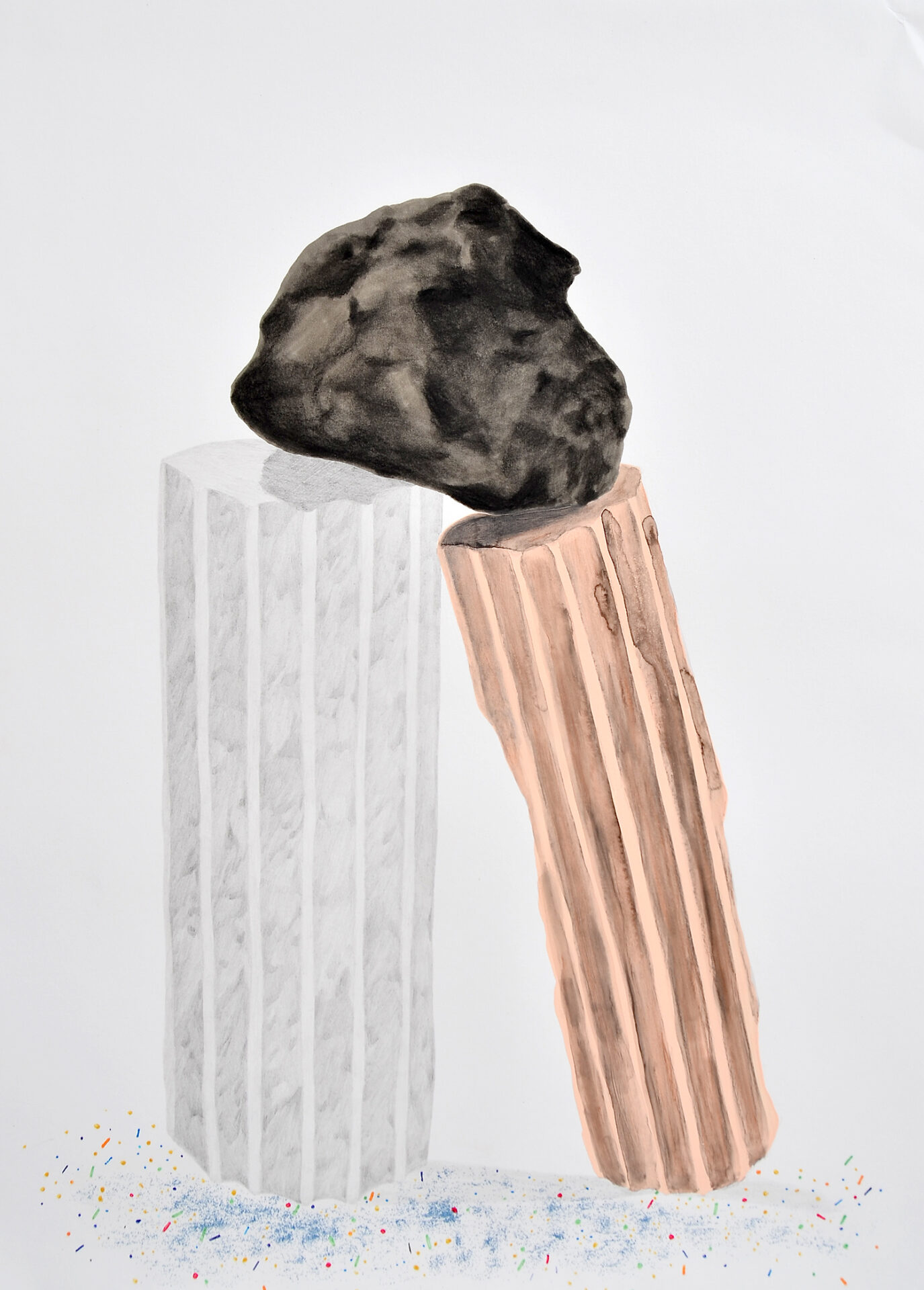
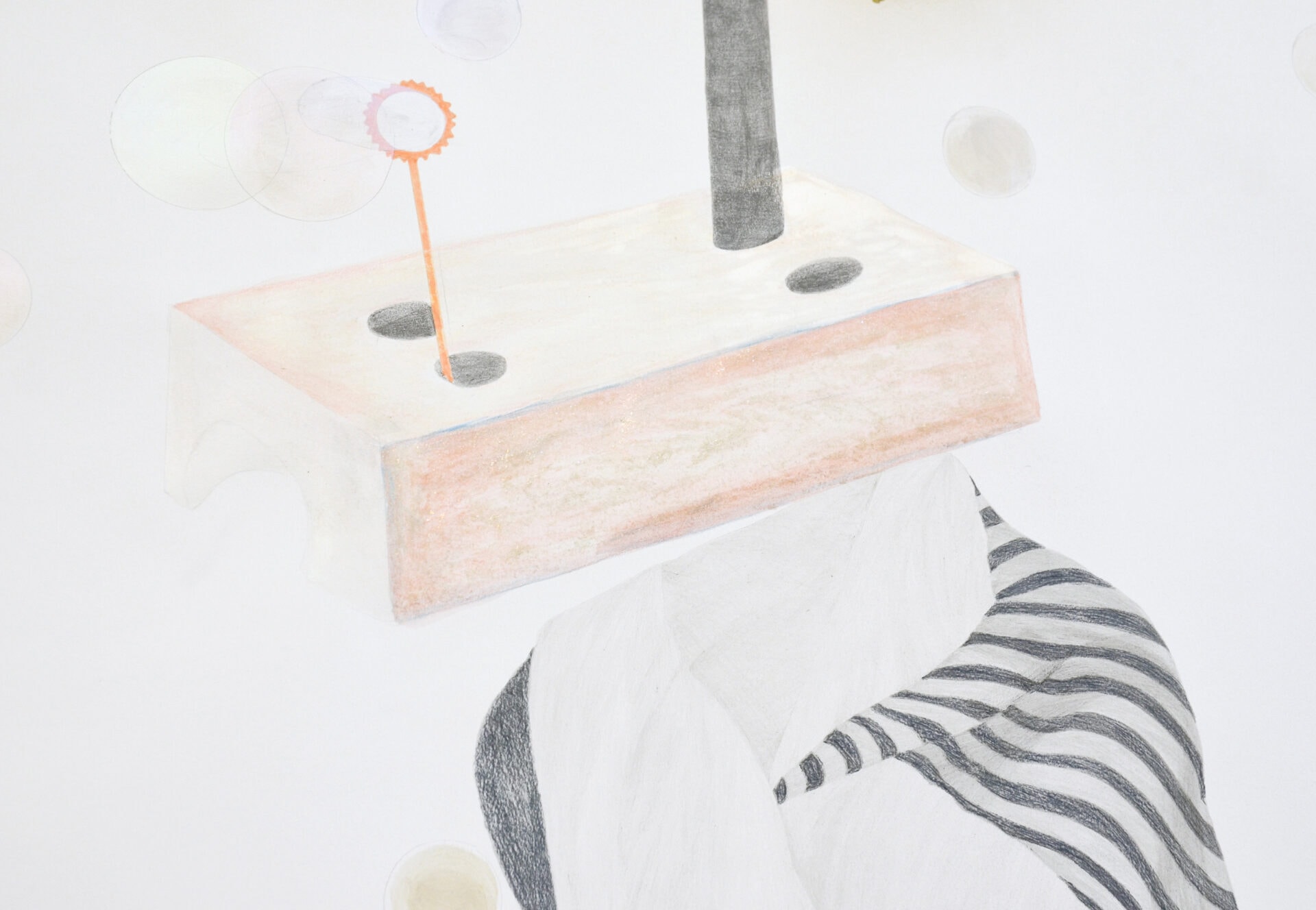
I often read in the news that Europe is in ruins. They refer to Europe as a civilization on the verge of disappearing. When I think of the end of civilizations, whether Aztec or Roman, I cannot imagine their inhabitants predicting their own ruin.
Imagining my own ruin gives me an advantage. I can decide what I want to leave behind as a ‘ruin’ and display the way I want to be remembered.
The ruins I have seen are usually stones and ceramics; ruins depend a lot on the material.
Plastic can be a good material for fulfilling the function of ruin. It is everywhere and can take up to 1,000 years to disappear. We should also start building more columns, so that we can leave behind really good ruins that can be visited in the future.
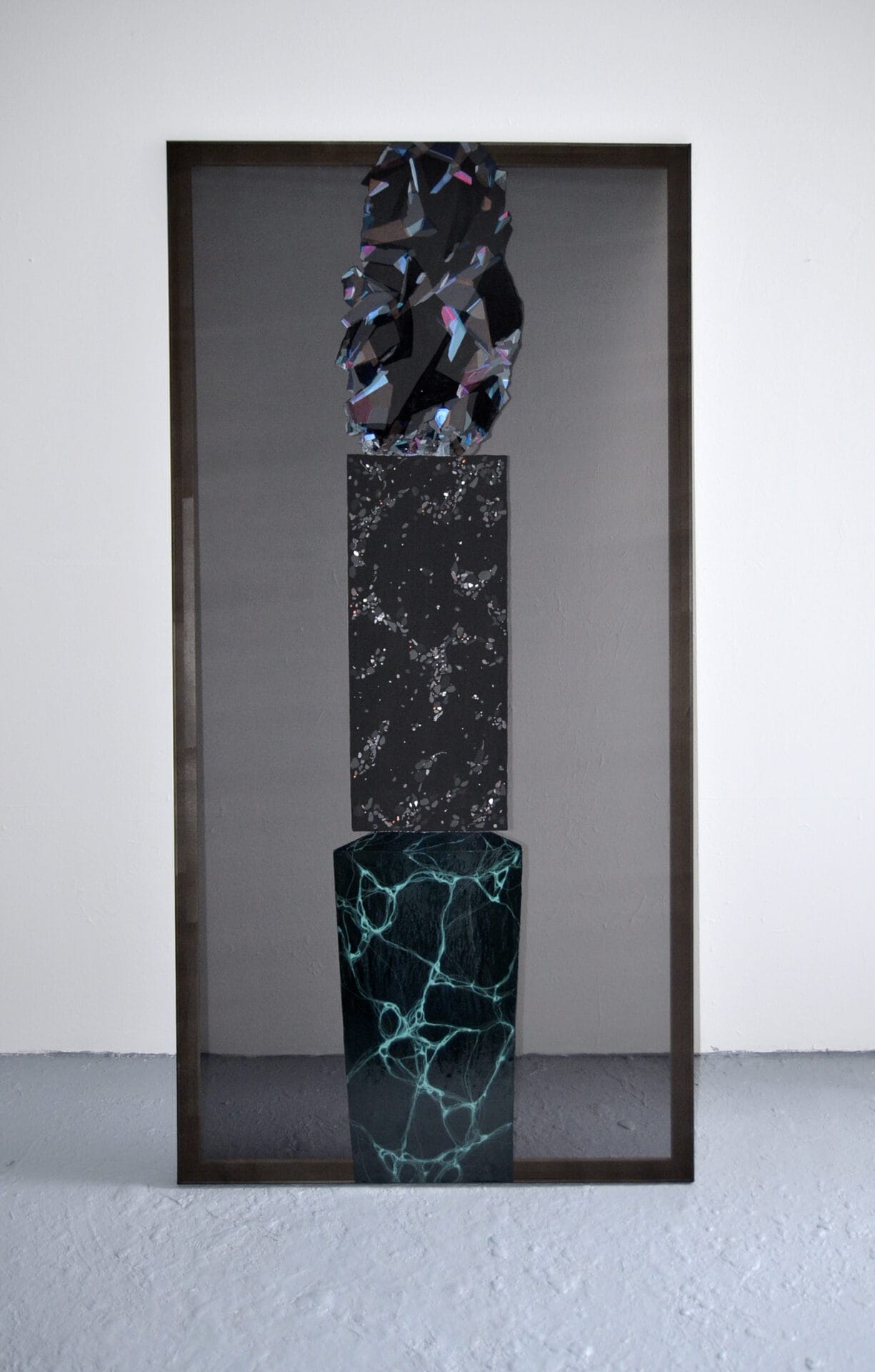
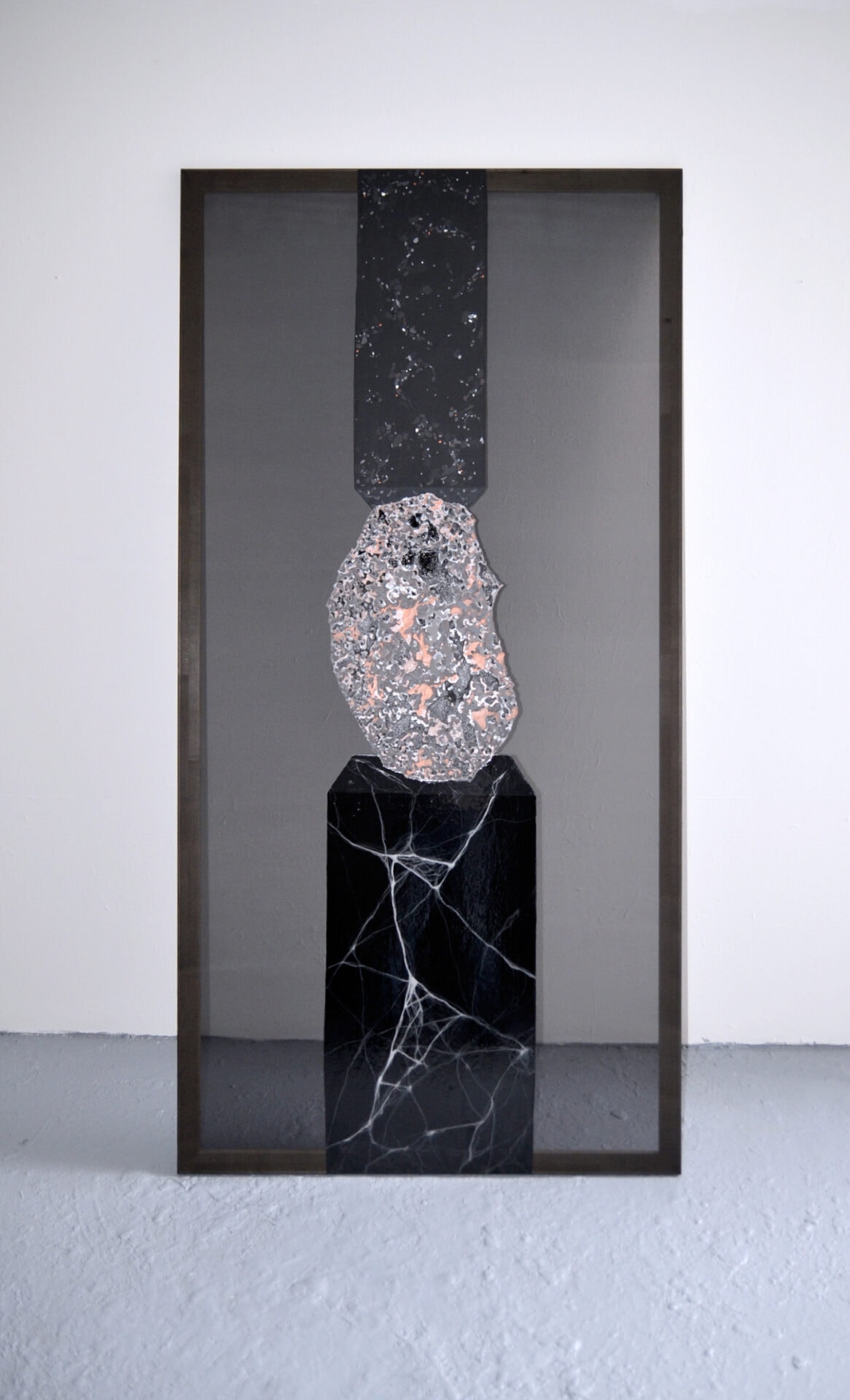
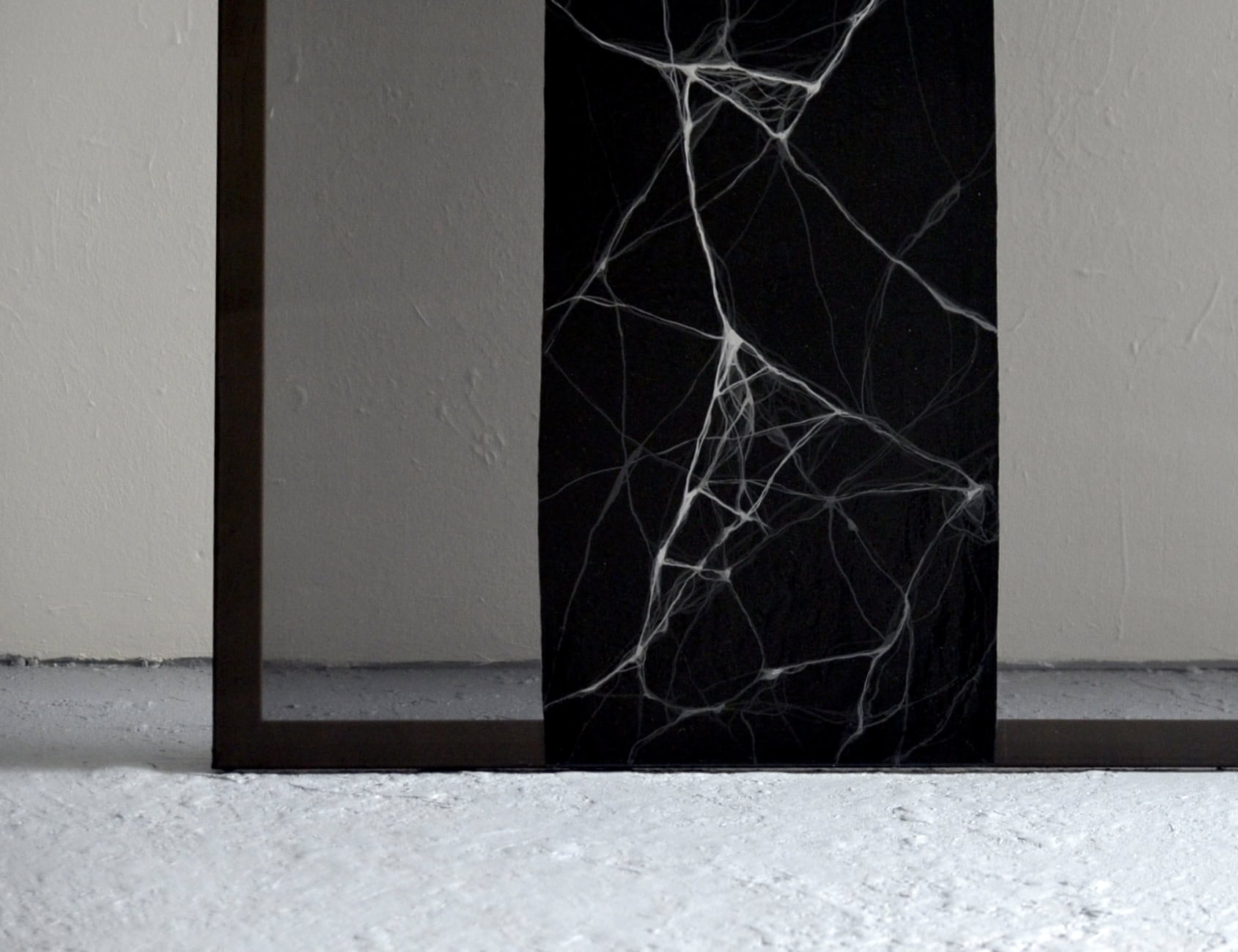
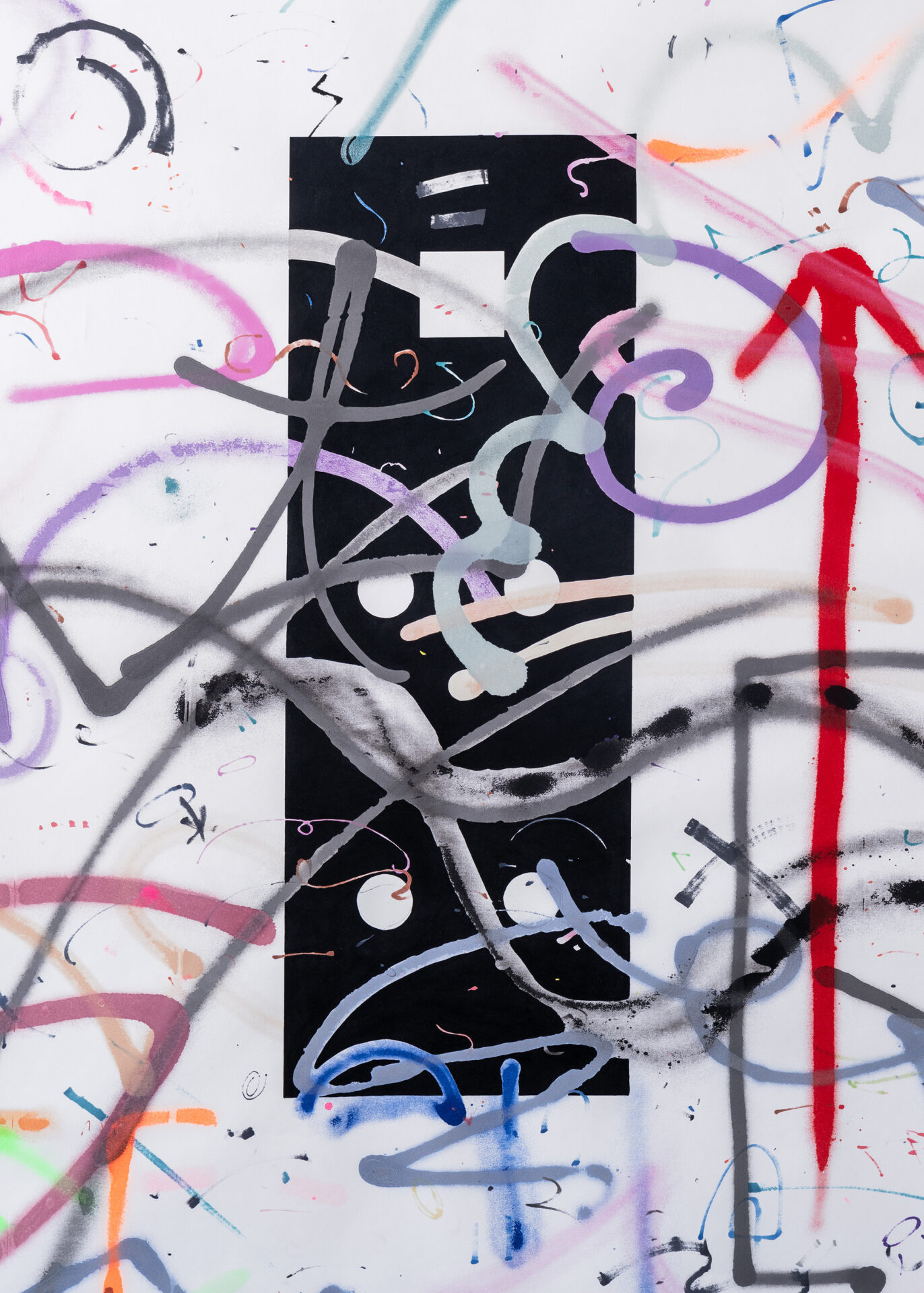
The column, both as an architectural element and as a monument, has always played an important role in creating an aesthetic identity in Europe and in keeping alive the feeling of stability.
Other civilisations have also used columns with an architectural porpoise maybe without knowing that they where creating their cultural identity.
When I went to Rome to visit the temple of the Fortuna Populi, a figure I was intensely researching for another project, there were no columns anymore. Stones where there to be the ruin of a past civilisation column.
However, there are no contemporary columns in the present times and the idea of stability is gone.
This paintings where done to think about contemporay inestable columns that could represent the actual times in Europe, to make some ruins of our civilization for future times.
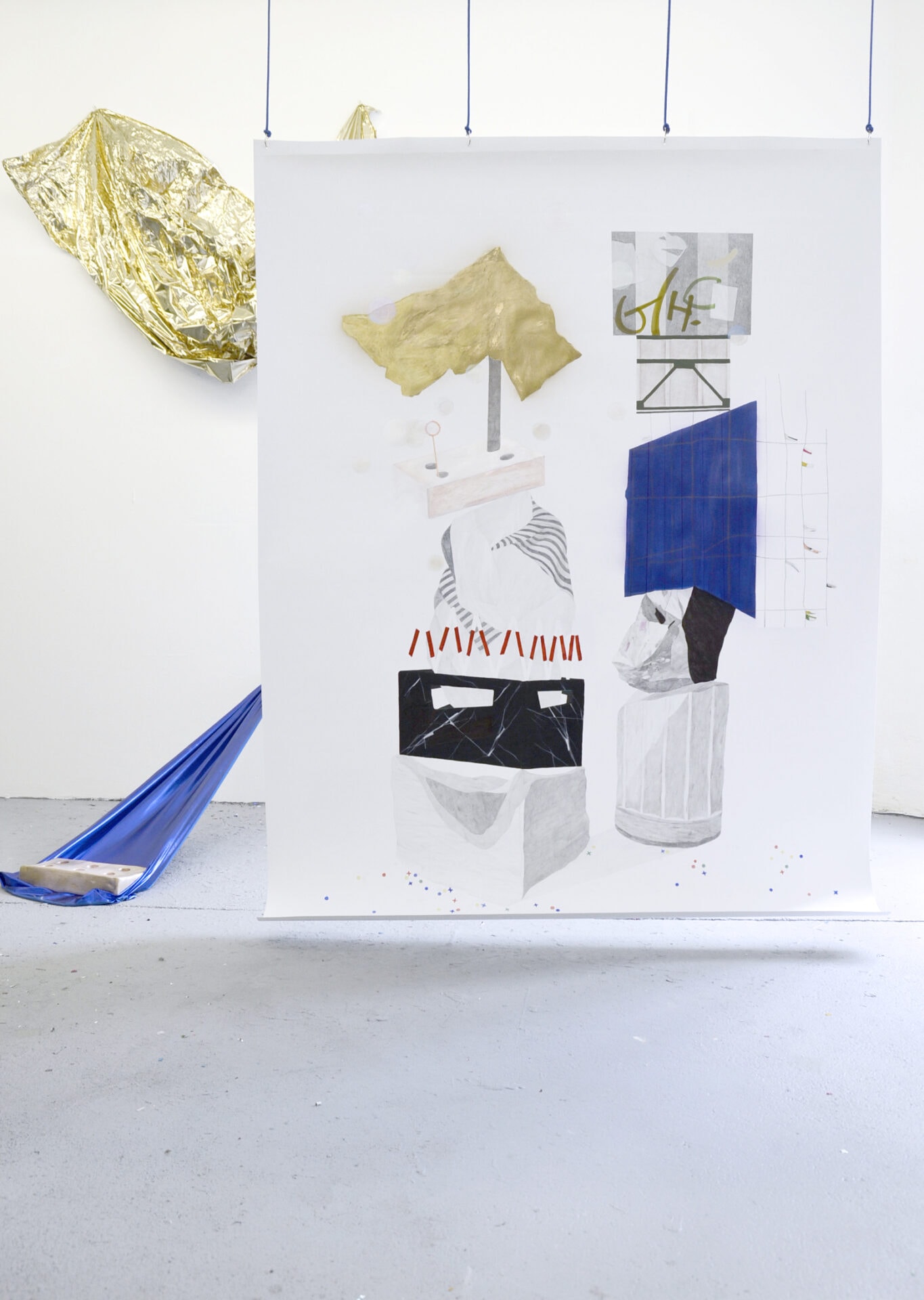
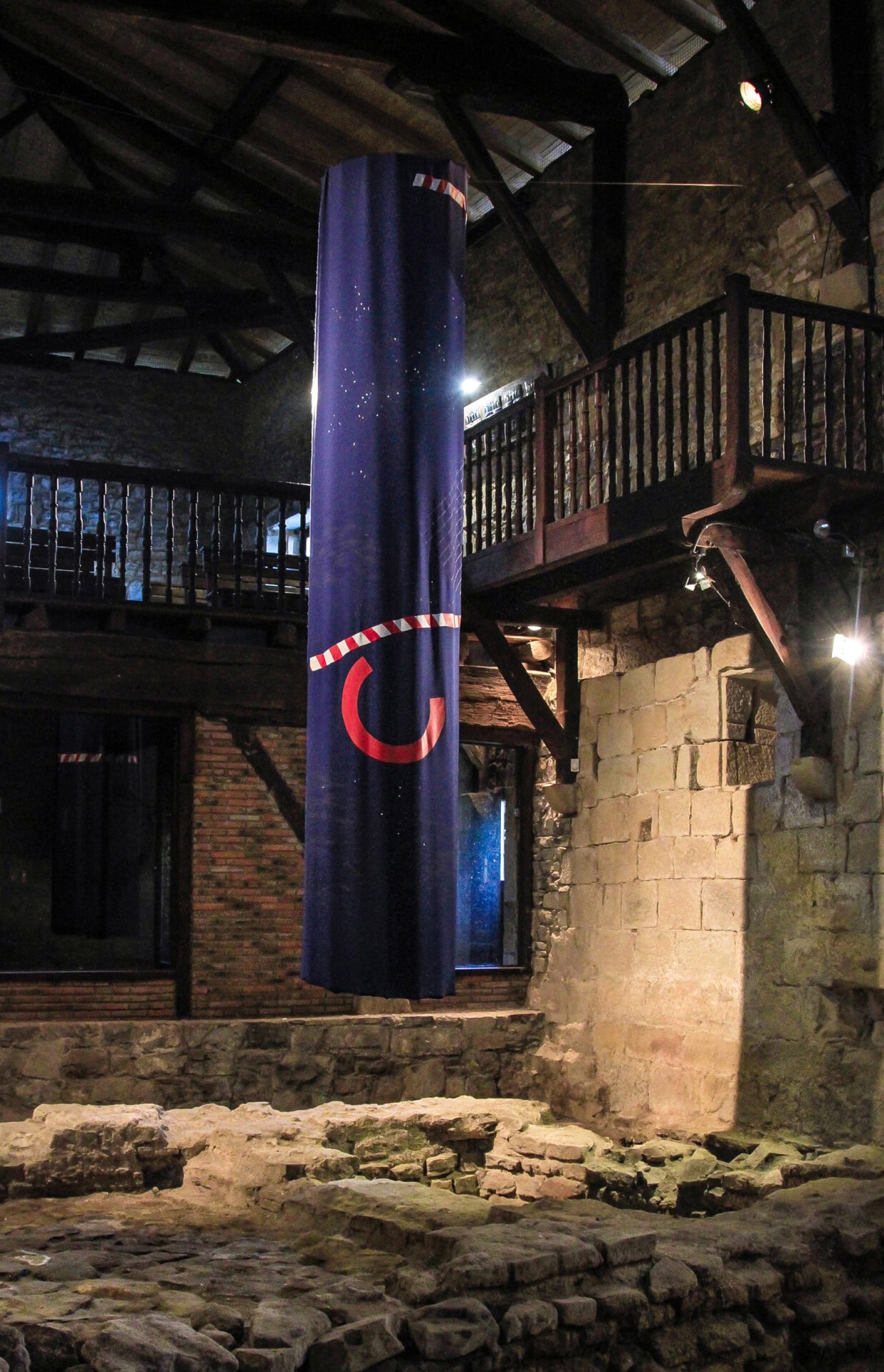
As a visual contrapunto, The Memory Avant Garde represents different times that coexist in the same space. In the hermitage of Santa Elena in Irún, North Spain the remains of a Roman necropolis of the first century and a Christian medieval temple are visible. This artistic installation is a leap in time to visualise an aesthetic characteristic of our times represented through a contemporary ruin that is showed at the same space as the ruins of our romanic cultural heritage.
A painting-sculpture in the shape of a Europe-flag-blue column is shown suspended in the air, without a base or capital, without stability and without holding anything. Painted fragments represent the sea, signs of prohibition, lifebuoys, confetti, a piece of a metal fence and glitter.
On the ground, next to the necropolis rests appears a conglomerate of plastic and resins that form a new material, a kind of plastic-granite that makes us think of the unnatural resources that future generations of the earth will obtain.
We can also see something that shines, something golden and silver with a stone shape that nevertheless has nothing of gold and silver. They are the remains of rescue blankets that will one day be found on a road heading north, near the remains of the ancient Roman road of Oiasso.
Other times, other roads, the same place.
To the ruins of our past, the ruins of our present are together in this installation as if it were a need to start a new era.
