The Surface of Mute Signs, 2021
Back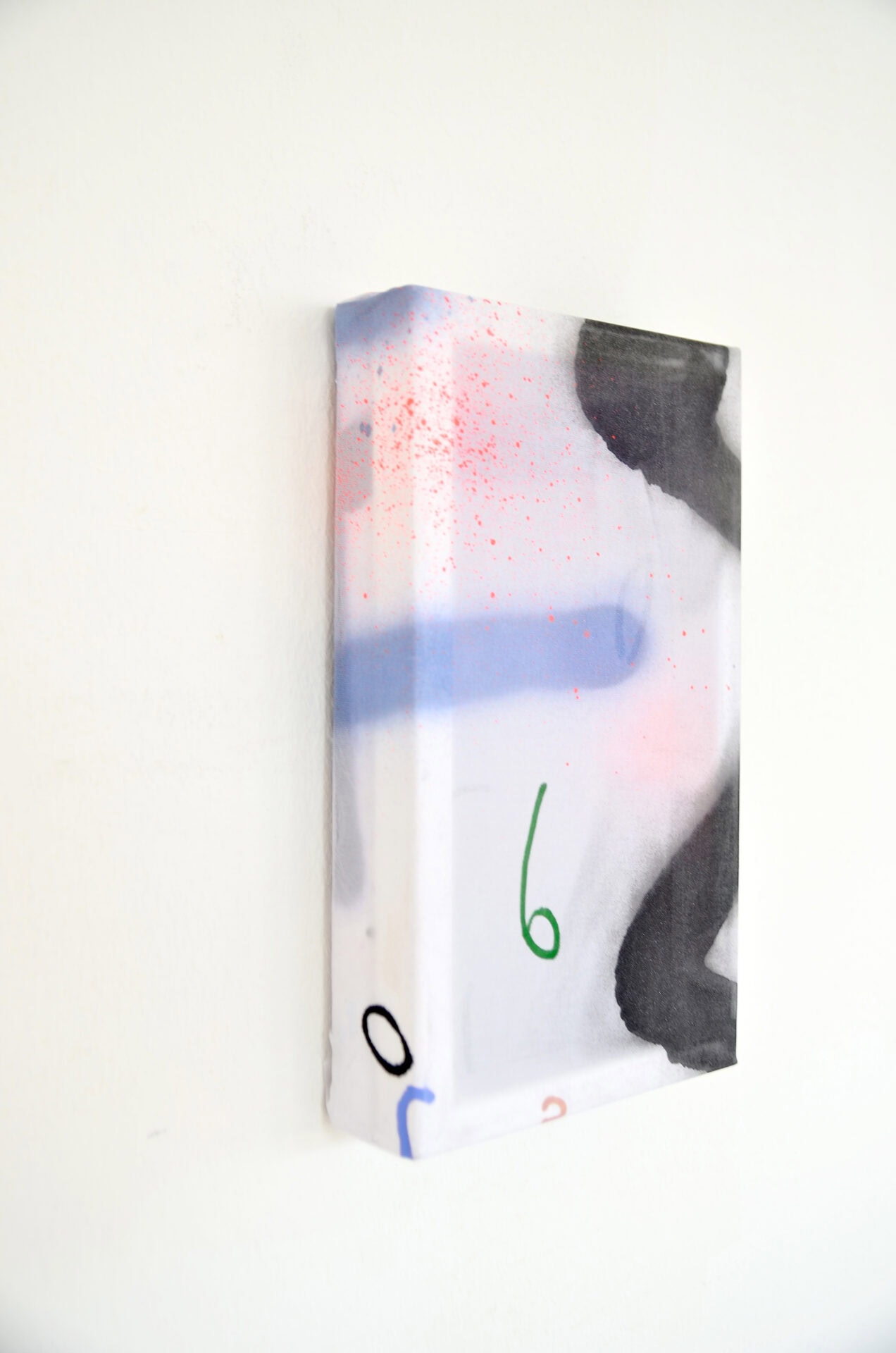
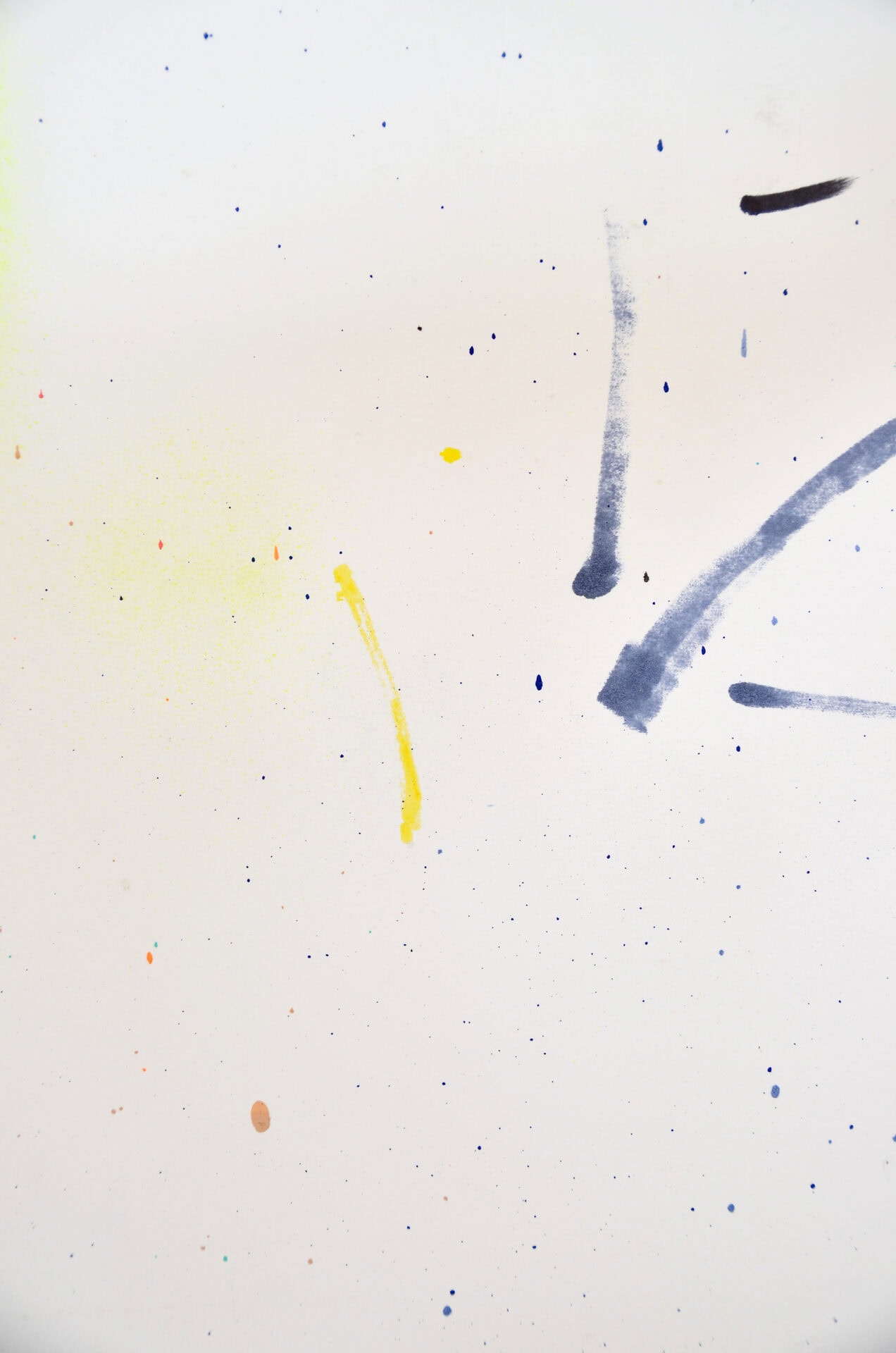
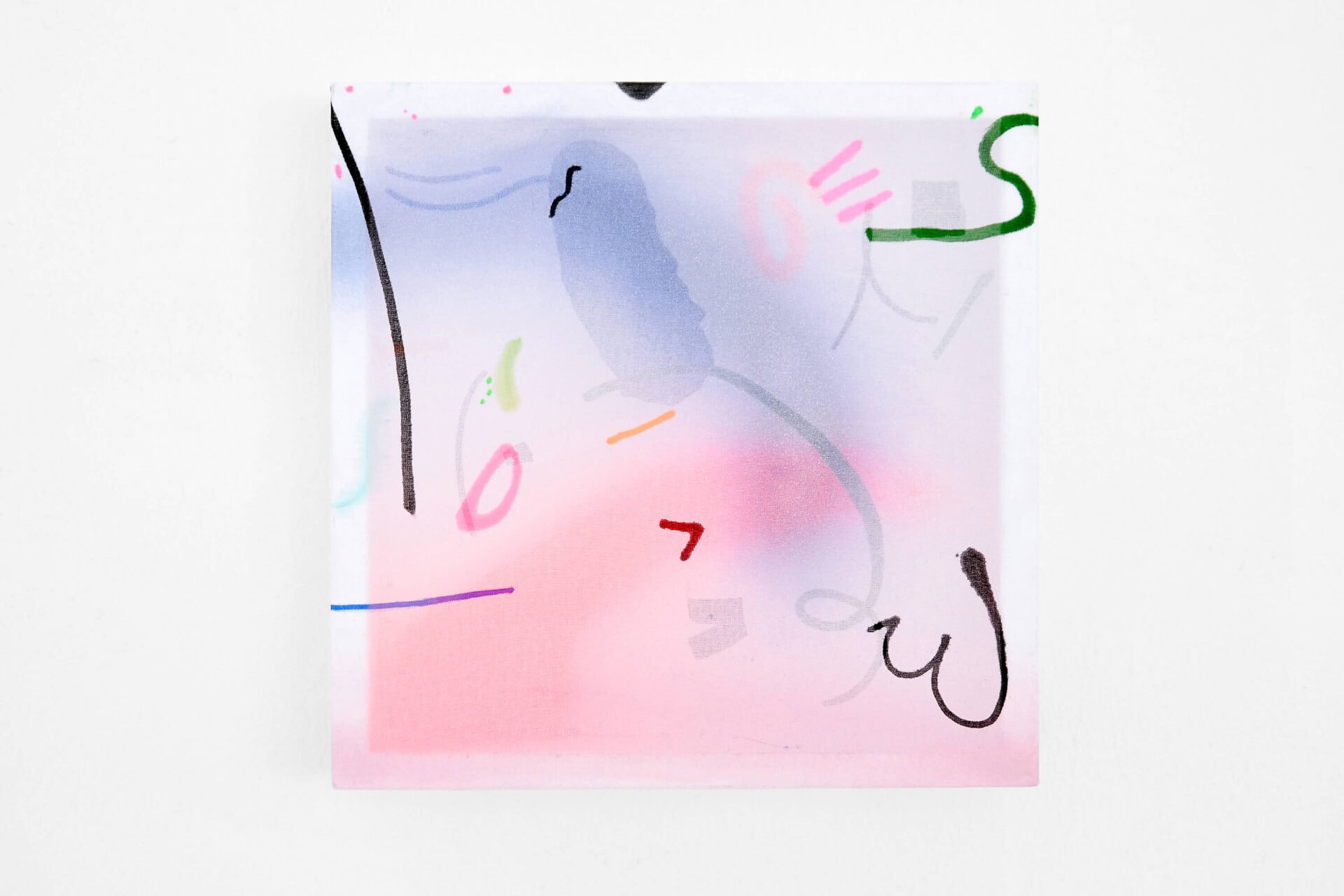
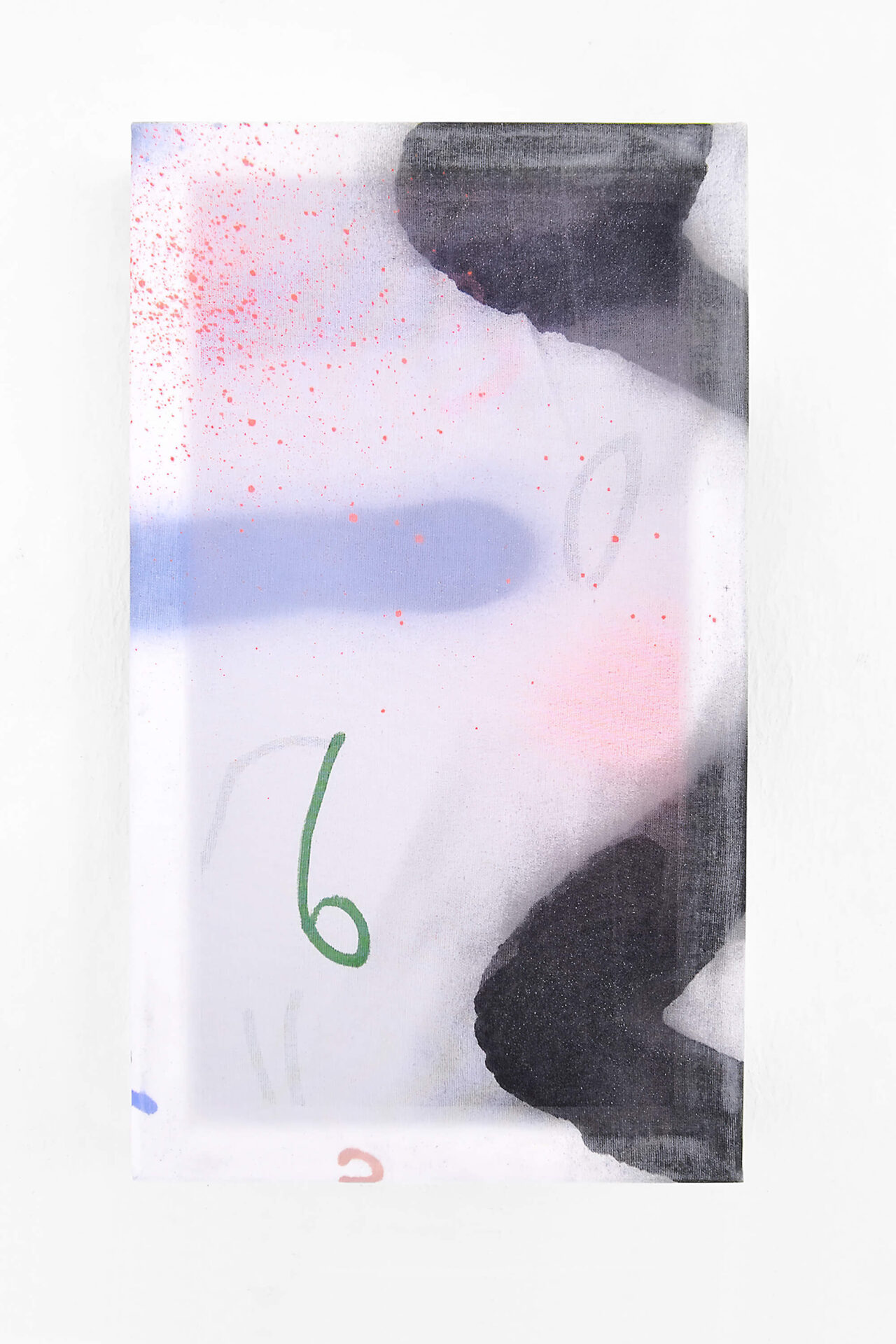
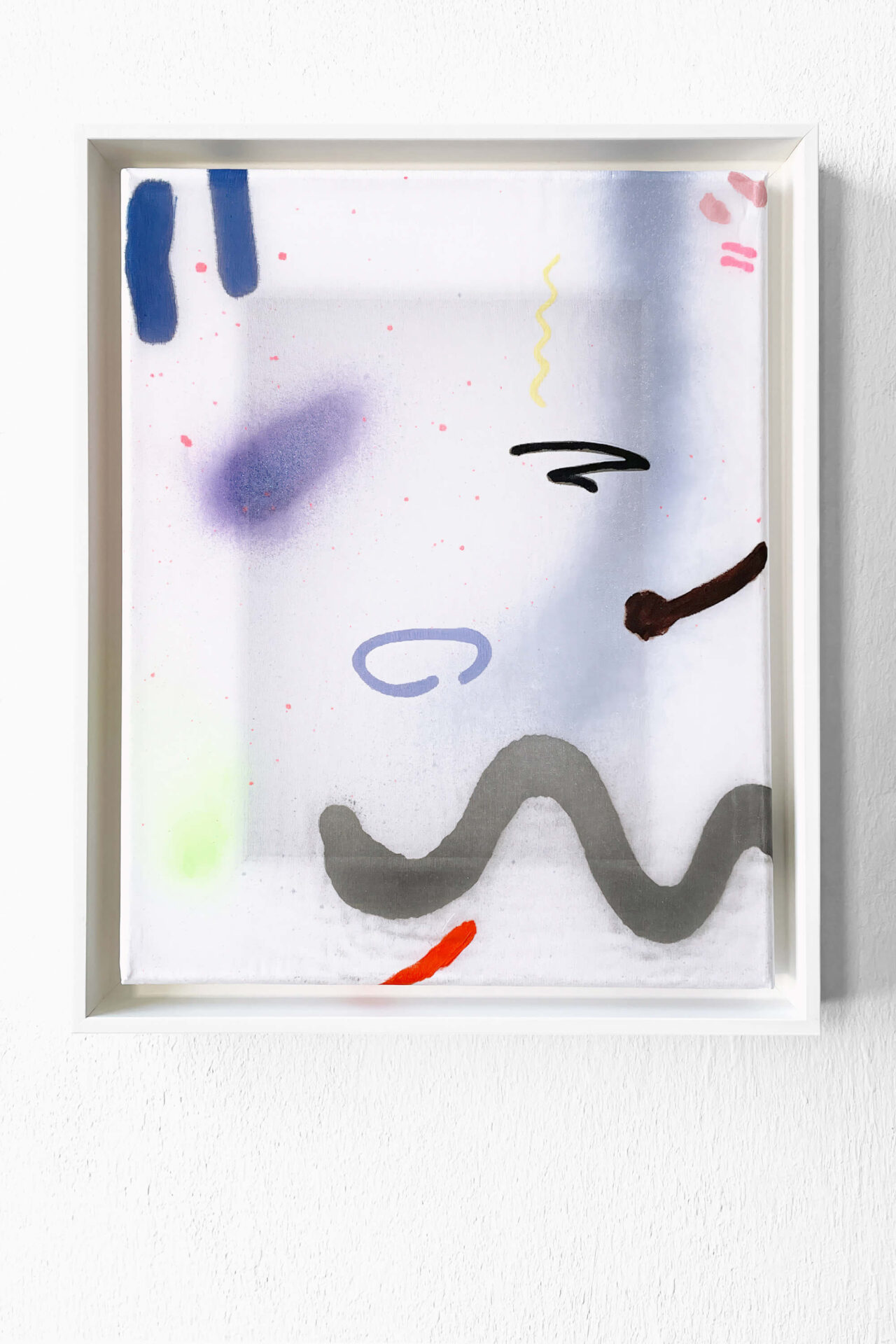
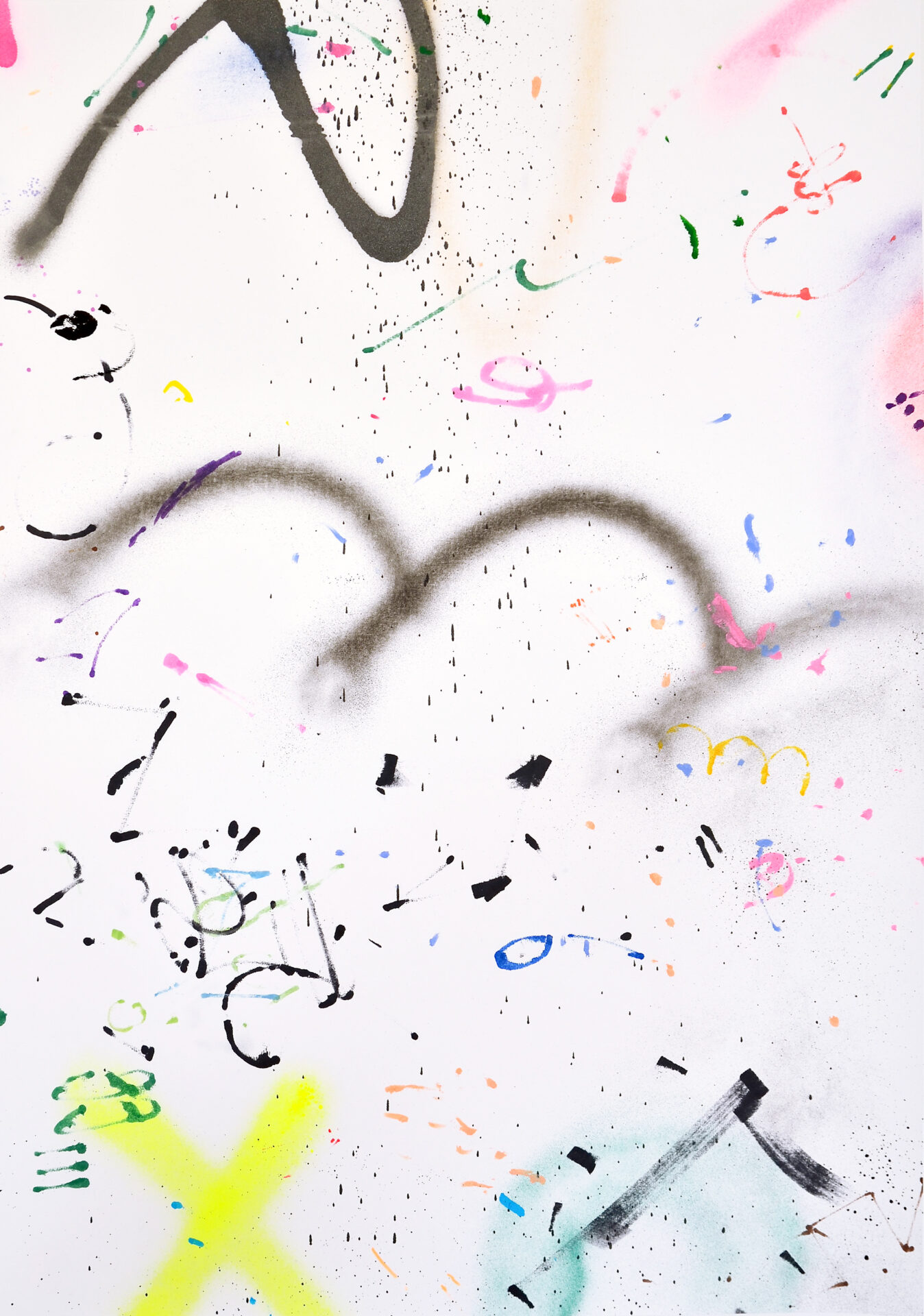
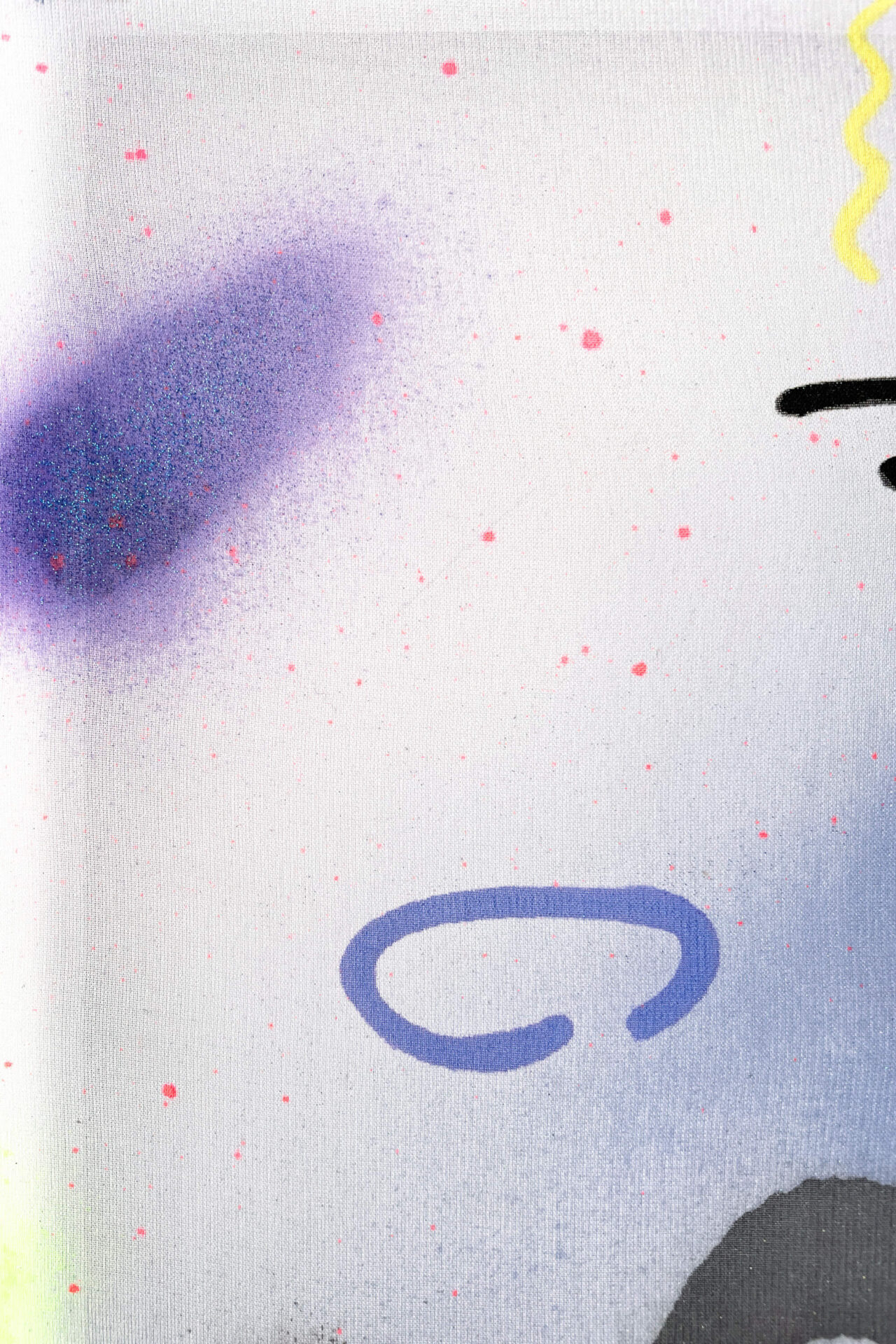
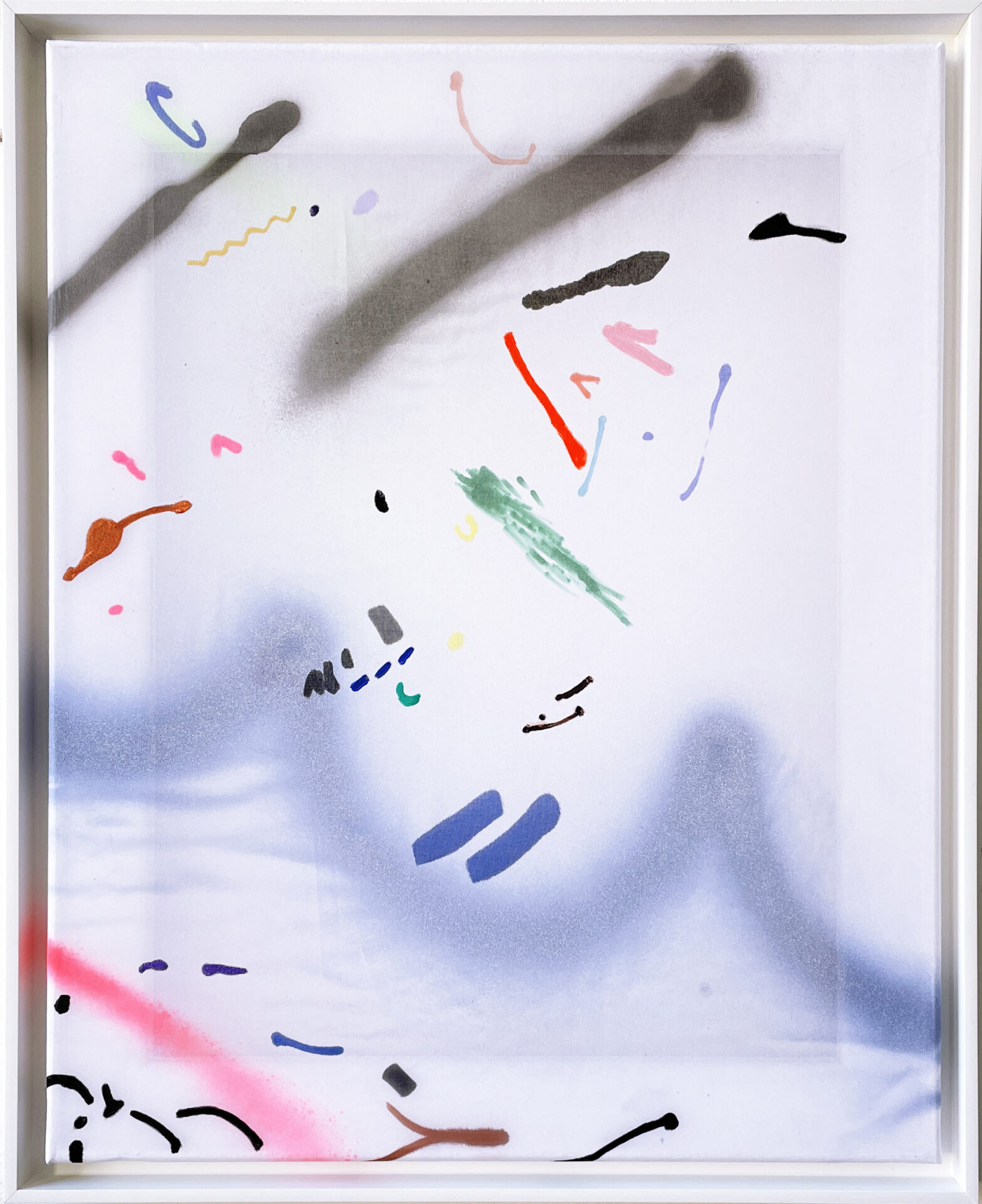
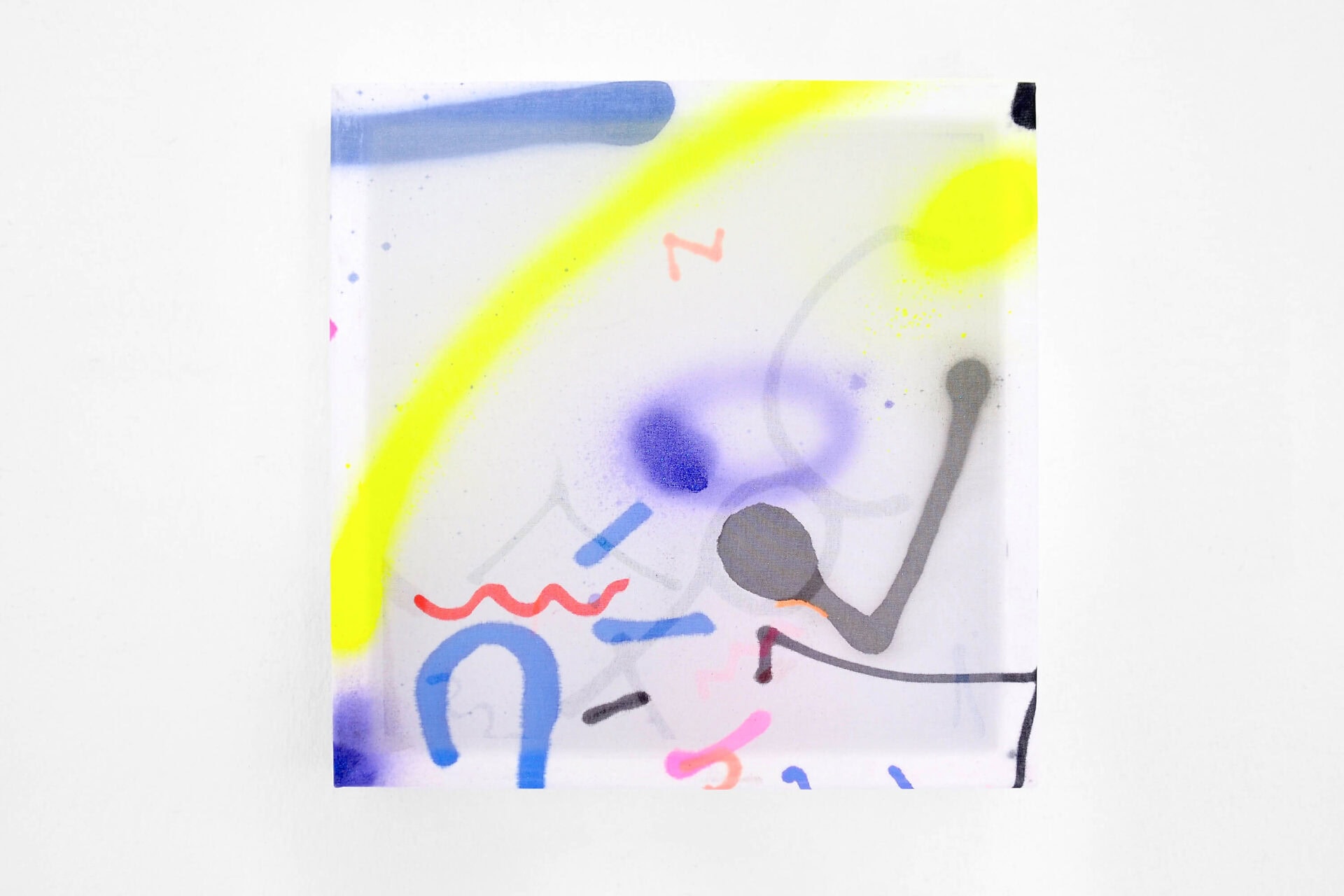
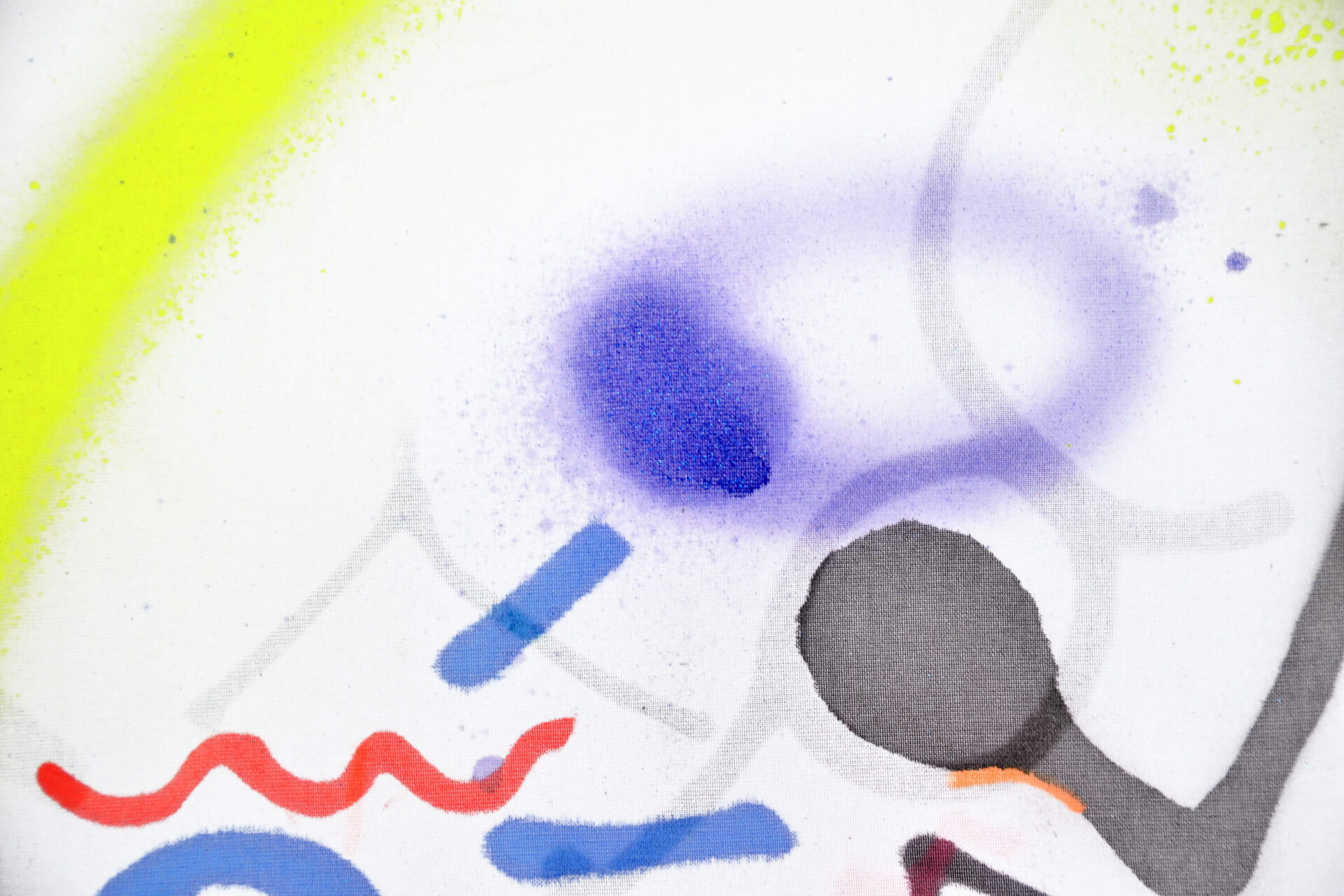
The Surface of Mute Signs invites us to consider the unpredictable time during which a work of art retains its initial form and the context in which it was created. This determines both its obsolescence, if any, and its material transformation, which would end the art object’s dependence on its sociopolitical context.
Both the physical wear and tear caused by the environment and the materials used and the speed at which discursive relevance ceases to exist may cause the art object to enter this state of aging more rapidly and acquire a temporality similar to that of the living. Sometimes, the aged art object is revisited from other contexts and invited back into contemporary discourse. However, this object is not always considered legitimate as a bearer or representative of the collective memory of its time.
The works on display are a mise-en-scène that reconfigures the relationship between the visible and the sayable, proposing a sensitive reflection on the materiality of the art object, as well as on certain forms and signs visible in our daily lives, collected and reconfigured through a fragmentary aesthetic.
Both the materials and the methods of making art interfere with the production process: methacrylates, plastics, lacquers, glitter, and synthetic fabrics challenge the temporality of the artwork within consumer society and present themselves as a conglomeration of partial realities. Signs and lines found in public spaces are appropriated and subsequently reproduced; an attempt at painting outdoors at night, blindfolded, on an opaque fabric reveals a version of a starry sky. In these art-making methods, the involvement of common environments integrates the artwork into everyday life.
